
Rust is one of the most common enemies of industrial casters. What starts as small brown spots on a caster fork or bracket can quickly spread, weaken the metal structure, seize the swivel bearing, and lead to sudden caster failure. Understanding why casters rust, how to recognize early signs, and what to do when rust appears is essential for equipment maintenance teams. This guide explains the causes of caster rust and provides practical solutions for prevention and treatment.
Why Do Casters Rust?
Casters rust when iron or steel components are exposed to oxygen and moisture over time. The electrochemical reaction known as oxidation converts metallic iron into iron oxide, which has a larger volume and weaker structural integrity than the original metal. While wheel treads made of polyurethane, nylon, or rubber do not rust, the metal fork, swivel raceway, axle, mounting plate, and fasteners are all vulnerable. Even casters with zinc plating or paint will eventually rust if the protective coating is scratched, chipped, or worn through to expose bare steel.
Common Causes of Caster Rust
Moisture and Humidity Exposure
The primary cause of caster rust is prolonged exposure to moisture. This includes wet floors in washdown areas, high-humidity storage environments, outdoor storage under tarps that trap condensation, and wash-down routines that leave water pooled on the caster assembly. Even normal ambient humidity above 60 percent can slowly degrade unprotected steel over months and years. In coastal environments, salt-laden air accelerates rust dramatically due to the electrolyte effect of salt on steel.
Damaged Protective Coatings
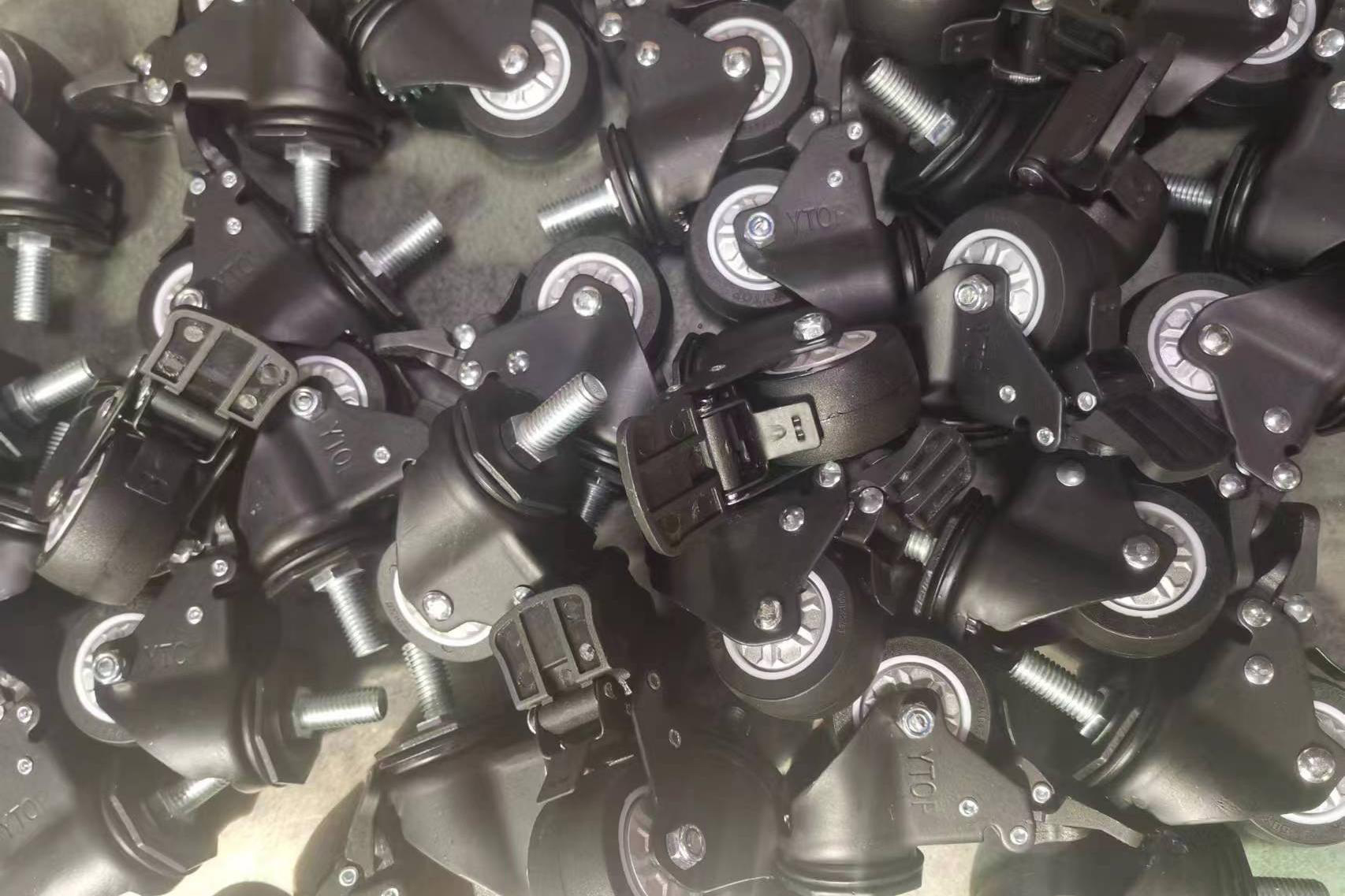
Most industrial casters are protected by zinc plating, chrome plating, powder coating, or paint. These coatings are effective as long as they remain intact. Rust often starts at scratch marks from impacts, weld splatter during installation, chips from dropping heavy objects onto the caster, or abrasion from dragging equipment across rough surfaces. Once the coating is breached, moisture reaches the bare steel and the rust spot expands outward beneath the surrounding coating.
Chemical Exposure
Certain cleaning chemicals, acids, and industrial fluids accelerate corrosion. Acidic floor cleaners, battery acid in battery-charging areas, and solvents that strip protective coatings all contribute to rapid rust formation. In food processing plants, frequent washdown with caustic cleaners and hot water accelerates corrosion on standard zinc-plated casters.
What to Do If Your Casters Rust
Assess the Severity
When rust appears on a caster, first assess its severity. Surface rust on the outer fork that can be removed with a wire brush is cosmetic and can be treated in place. Rust that has pitted the metal surface or penetrated the swivel raceway requires more urgent action. If the swivel head turns stiffly or grindingly, or if the fork shows visible thinning or cracks, the caster should be replaced immediately. Do not continue using a structurally compromised caster under heavy load.
Clean and Treat Surface Rust
For surface rust that has not structurally weakened the caster, clean the affected area thoroughly with a wire brush, sandpaper, or abrasive pad to remove all rust down to bare metal. Wipe the area clean with solvent to remove oil and debris. Apply a rust converter or metal primer to stop oxidation, then touch up with matching paint or a clear protective enamel. For zinc-plated casters, a cold-galvanizing spray provides a zinc-rich repair coating that matches the original protection. Treat rust spots promptly, as early intervention prevents the problem from spreading.
Lubricate Protected Surfaces
After cleaning and treating the rusted area, apply a light coat of corrosion-inhibiting lubricant to the swivel raceway, axle, and mounting hardware. This displaces moisture and provides ongoing protection. In humid or washdown environments, repeat this treatment every three months. Silicone-free lubricants are preferred in areas where paint will be applied, as silicone can cause fisheye in subsequent paint finishes.
Preventing Caster Rust Proactively
Choose the Right Corrosion-Resistant Caster
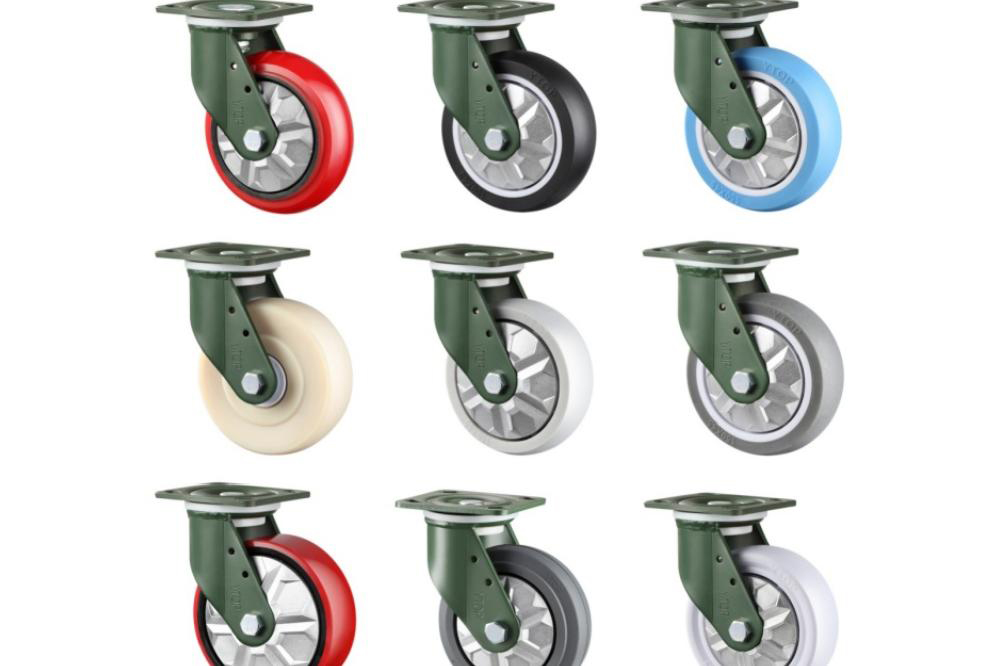
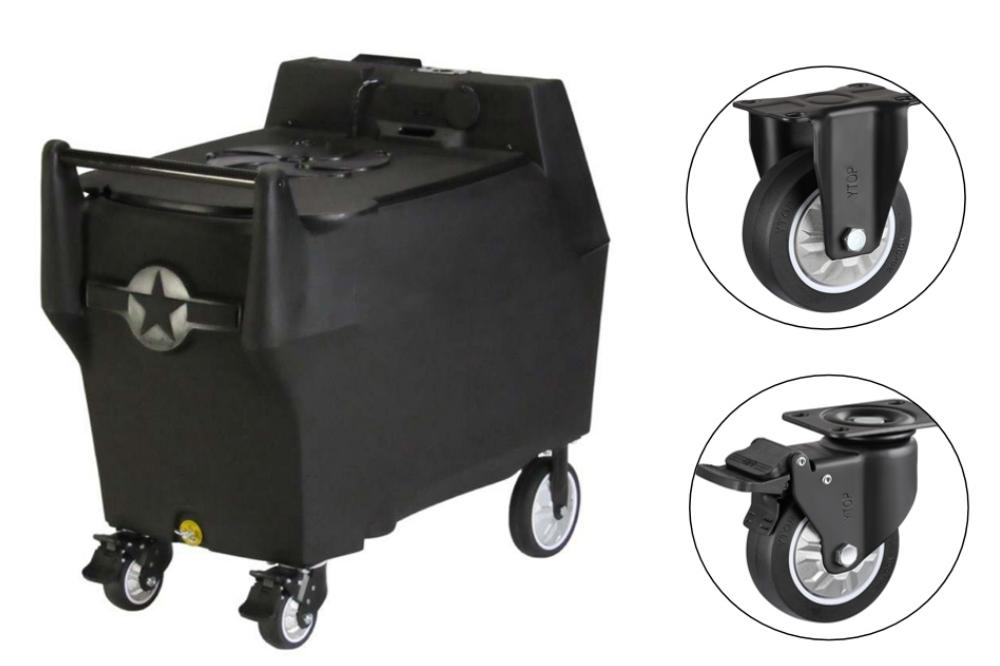
The best solution is prevention through material selection. For wet, corrosive, or outdoor environments, choose stainless steel casters (304 or 316 grade) instead of zinc-plated steel. Stainless steel contains chromium that forms a self-healing passive oxide layer, preventing rust even when scratched. For less severe environments, powder-coated casters offer better protection than standard zinc plating. Nylon or polypropylene wheel centers with stainless steel hardware are ideal for food processing and washdown areas.
Establish a Maintenance Schedule
Implement a regular caster inspection and maintenance schedule. In dry indoor environments, inspect casters every six months. In humid or washdown environments, inspect quarterly. During each inspection, check for rust spots, clean the swivel and axle, re-lubricate, and touch up any nicks in the coating. Keep a maintenance log to track caster condition and predict replacement cycles before failure occurs.
Control the Environment
Where possible, control the environment around your equipment. Ensure good ventilation in storage areas to reduce humidity. Wipe water off casters after washdown. Store equipment off wet floors. In coastal locations, choose marine-grade casters and rinse them periodically with fresh water to remove salt residue. Small environmental adjustments significantly extend caster service life and reduce rust-related failures.
When to Replace Rusted Casters
Surface rust that is cleaned and treated can extend caster life by several years. However, certain conditions require immediate replacement. If the swivel raceway is rusted solid and will not rotate, if the fork shows structural cracks or thinning, if the axle hole is elongated from corrosion, or if rust has caused the wheel bearing to seize, replace the caster. Continuing to use a structurally weakened caster under load is a safety hazard. When replacing rusted casters, upgrade to a corrosion-resistant model suitable for the environment to avoid repeat failures.
Understanding the Rust Progression on Casters
Rust does not appear overnight on industrial casters; it progresses through distinct stages. In the early stage, tiny orange-brown spots appear on the painted or plated surface, usually at a scratch or impact point. At this stage, the metal beneath is still sound, and treatment is straightforward. In the intermediate stage, the rust spreads beneath the coating, causing blistering and peeling. The surface becomes rough and pitted. In the advanced stage, the rust penetrates into the swivel raceway and axle bore. The swivel becomes stiff or seizes, the axle corrodes in place, and the caster is no longer safe for service. Early detection during regular inspections catches the problem in the treatable stage, preventing costly replacements and unexpected equipment downtime.
The type of steel used in the caster also affects rust progression. Cheap casters use thin-gauge cold-rolled steel that rusts quickly and has less structural margin. Quality casters use thicker hot-rolled steel with proper zinc plating, which resists rust much longer. The plating thickness, measured in microns, matters: standard zinc plating is 8-12 microns, while heavy-duty plating is 15-25 microns. In coastal or washdown environments, ask suppliers for salt spray test ratings (ASTM B117), where 240 hours indicates basic protection, 480 hours indicates good protection, and 720+ hours is suitable for severe corrosive environments.
For facilities dealing with chronic caster rust issues, a systematic approach works best. Start by auditing all casters in service, flagging any that show rust or corrosion. Replace severely corroded units with stainless steel or powder-coated alternatives. Implement a quarterly inspection schedule with a simple checklist covering swivel rotation, wheel condition, brake function, and surface rust. Keep a tube of zinc-rich paint and penetrating oil in the maintenance closet for quick touch-ups. Over time, this proactive approach reduces total caster replacement costs and prevents unexpected equipment failures that disrupt production schedules.
Frequently Asked Questions
Q: Can I paint over rusted casters?
A: Paint over rust will not last. First remove all rust with a wire brush or sandblasting until you reach bare metal, apply a rust converter and primer, then paint. Skipping the rust removal step will cause the new paint to peel as the underlying rust continues to spread.
Q: Are stainless steel casters worth the extra cost?
A: In wet, washdown, outdoor, or coastal environments, yes. Stainless steel casters cost more upfront but last 3 to 5 times longer than zinc-plated steel in corrosive conditions, saving total cost of ownership. In dry indoor environments, standard zinc-plated casters are sufficient.
Q: How do I remove rust from caster bearings?
A: For surface rust on bearings, soak in penetrating oil overnight, then work the bearing back and forth until it rotates freely. If the bearing is deeply pitted or seized, replacement is the only option. Prevention through regular lubrication is far better than trying to restore rusted bearings.
Q: Does powder coating prevent rust better than zinc plating?
A: Powder coating provides a thicker, more uniform protective layer but can chip on impact. Zinc plating is self-healing to a degree and handles minor scratches better. For severe corrosion, stainless steel is superior to both finishes on steel.
Related Reading
Be Wary of the Dangers of Inferior Industrial Casters
How to Properly Use Industrial Casters to Extend Service Life
What Are the Common Specifications of Casters?
How Are Industrial Caster Loads Graded? Light, Medium, Heavy, Extra-Heavy Division
Advantages of Dual-Wheel Structure for Ultra-Heavy-Load Casters
Explore Heavy Duty Caster Series (150-610kg)
Super Heavy Duty Casters (700-1600kg)
Contact YTOP for Corrosion-Resistant Caster Solutions
Post time: Nov-27-2023