
What Caster Size Actually Means
The phrase “caster size” is misleadingly simple. In catalogs, a caster is described by a nominal wheel diameter such as 3 inch, 4 inch, 5 inch, 6 inch, 8 inch, or 12 inch, but a real caster assembly is defined by a whole set of interlocking dimensions. Wheel diameter, wheel width, overall height, swivel radius, top plate size, bolt hole spacing, and mounting hole diameter all have to fit the equipment they are attached to. Get any one of them wrong, and the caster will not bolt up, will ride too high or too low, or will bind against obstacles on the floor.
This guide walks through how each critical dimension is calculated, how they relate to load capacity, and how to verify a replacement caster before ordering. Whether you are replacing a broken wheel on a factory cart or designing a new material handling system from scratch, understanding the arithmetic behind caster sizing saves hours of rework and avoids dangerous under-specification.
The Key Dimensions on a Caster Drawing
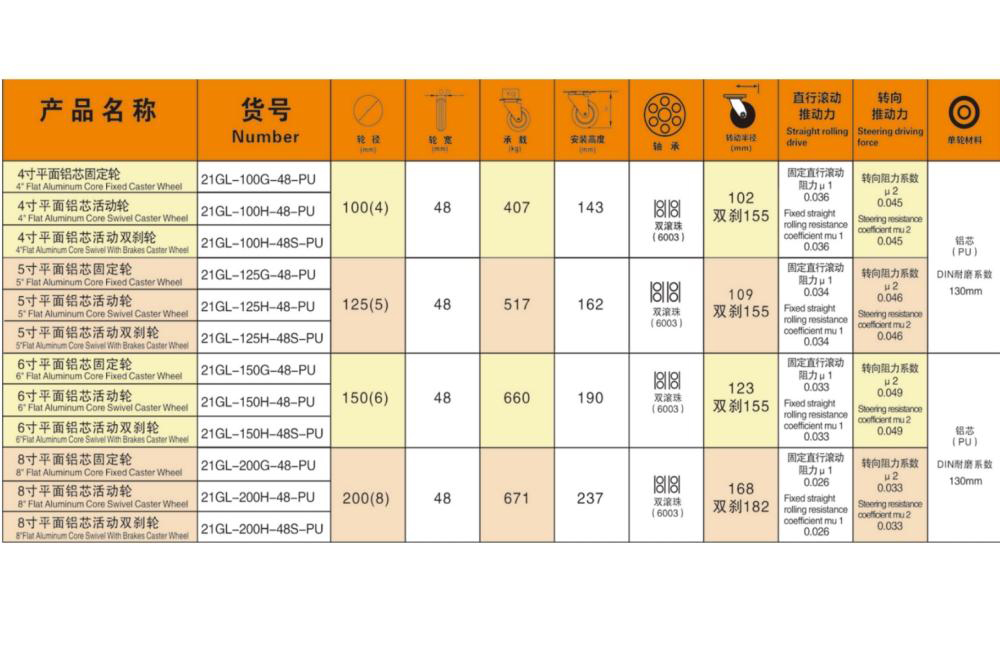
A standard caster drawing labels the following dimensions: wheel diameter (D), wheel width (W), overall height from mounting surface to floor (H), swivel radius (R), top plate length and width (A x B), bolt hole spacing (P x Q), and bolt hole diameter (G). For stem-mount casters, the critical dimensions are stem diameter and stem length. Every one of these dimensions is specified on the manufacturer’s specification sheet, and replacements must match the original mounting pattern exactly unless the equipment is modified.
Why Size Drives Every Other Decision
Size is not an aesthetic choice. Wheel diameter determines the obstacle-climbing ability, the rolling resistance, and the minimum load capacity of the caster. Overall height determines how high the equipment sits off the floor. Swivel radius determines how much turning room the cart needs. In practice, you start with the equipment envelope and load, then back-calculate the smallest wheel that can carry the load comfortably and roll over the worst floor condition on the route.
How Wheel Diameter Is Calculated
Wheel diameter is the first number most engineers look for. Larger wheels roll more easily, bridge small cracks and expansion joints, and climb over thresholds and cables with less effort. The trade-off is that a larger wheel raises the equipment and needs more swivel clearance.
Load, Speed and Floor Clearance
A common rule of thumb is that a hand-pushed cart should use a wheel diameter no smaller than three times the largest obstacle it must cross. For example, if the cart must roll over 10 mm expansion joints or door thresholds, a wheel of at least 75 mm (3 inch) is the minimum, and 100 mm (4 inch) is preferred. For powered equipment, larger wheels of 150 mm (6 inch) and above are typical because they reduce the drive motor torque needed and distribute shock loads over a wider tire contact patch.
Load capacity per wheel grows roughly in proportion to the wheel diameter times the wheel width, multiplied by a material factor. A 4 inch polyurethane wheel typically carries 120 to 250 kg, while an 8 inch heavy-duty wheel can carry 500 kg or more. Always divide the total loaded cart weight by four and then add a safety factor of at least 30 to 50 percent for starting torque, shock loading, and uneven floors.
How Mounting Dimensions Are Determined
Once the wheel diameter is chosen, the mounting interface must match the existing equipment. This is where most replacement projects go wrong.
Top Plate vs Stem Mounting
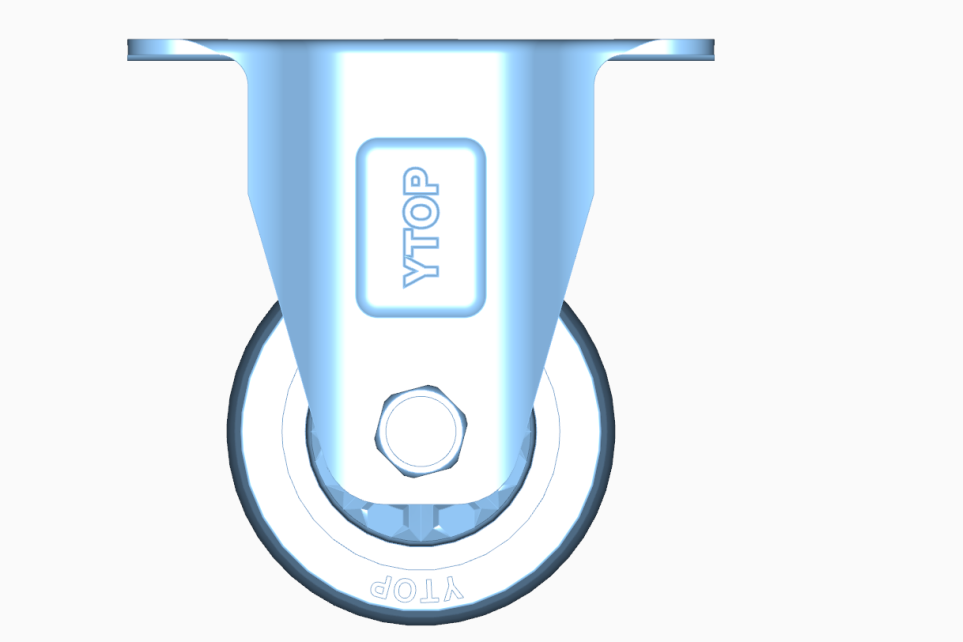
Top plate casters bolt flat to the underside of a cart frame using four bolts. Stem casters slide into a socket or tube, common on furniture, medical stands, and light-duty equipment. To replace a top plate caster, measure the plate length, plate width, and the center-to-center distance between the four bolt holes in both directions. To replace a stem caster, measure the stem diameter, stem length, and whether it is plain, threaded, or fitted with a retaining ring. Mixing mounting types is not possible without drilling new holes or welding new sockets.
Bolt Hole Spacing and Offset
Standard top plate sizes follow widely accepted patterns, such as 50 x 50 mm, 75 x 75 mm, 80 x 60 mm, or 100 x 100 mm. The bolt hole spacing on each plate size is standardized, but older imported equipment may use non-standard plates. Measure the spacing with calipers rather than relying on the wheel diameter label, because two casters of the same wheel size can use entirely different mounting plates. Also check the swivel offset — the distance between the kingpin center and the wheel center — because a larger offset makes steering easier but reduces the caster’s side-load stability.
How Load Capacity Is Derived From Size
Catalog load ratings are per wheel. Translating that into a safe cart rating requires a simple but critical calculation.
The 4-Wheel Rule
Most four-wheel carts distribute roughly 25 percent of the load on each wheel when the cart is new and the floor is flat. However, real floors are never perfectly flat, and during turns one or two wheels can briefly carry 50 percent or more of the total weight. The standard engineering formula is: required load per wheel = (total loaded weight x safety factor) / 3. Dividing by three instead of four builds in a margin for uneven floors and shock loads. Select a caster whose rated capacity is at least equal to this number.
Dynamic vs Static Load
A caster’s dynamic load rating is the weight it can carry while rolling. The static load rating — the weight it can hold stationary — is often 50 to 100 percent higher. For equipment that spends most of its life stationary, such as machines on casters, the dynamic rating still governs because the caster must be moved periodically. For long-term parked loads on soft surfaces such as wood or vinyl, check that the static rating also exceeds the per-wheel weight.
Common Sizing Mistakes to Avoid
Undersizing for Dynamic Loads
The most frequent mistake is matching the caster rating to the static cart weight instead of the dynamic load. A cart that weighs 400 kg empty may hold 800 kg of material; divided by three, each wheel needs to carry at least 267 kg, and with a 30 percent safety factor, each wheel should be rated 350 kg or more. Undersized wheels flatten, crack, or break their swivel bearings under these loads.
Ignoring Floor Thresholds and Obstacles
A caster that is the right size for the load can still be too small for the route. A 3 inch wheel that rolls smoothly on a smooth epoxy floor will jolt and stick when it meets a 10 mm dock plate joint. Always walk the cart’s full route with the actual load and note every joint, threshold, cable, and crack before finalizing wheel diameter.
Frequently Asked Questions
How do I measure a caster for replacement?
Measure four things: the wheel diameter, the wheel width, the overall mounting height, and the mounting interface (top plate dimensions with bolt hole spacing, or stem diameter and length). Photograph the caster from two angles and compare these dimensions with the replacement catalog drawing before ordering.
Does a bigger wheel always carry more load?
Generally yes, but the relationship depends on the wheel material and bearing type. A larger wheel made of soft rubber may have the same load rating as a smaller polyurethane wheel. Always check the catalog load rating rather than inferring capacity from diameter alone.
What size caster do I need for a 500 kg cart?
Divide 500 kg by three wheels and add a 30 percent safety factor, which gives about 217 kg per wheel. A standard 5 inch medium-duty caster rated around 250 kg per wheel is a safe starting point; for rough floors or outdoor use, step up to a 6 inch heavy-duty caster.
Can I mix swivel and rigid casters on one cart?
Yes. The standard four-wheel layout uses two swivel casters at the pulling end and two rigid casters at the far end. This makes the cart easy to steer while preventing it from crabbing sideways. For long carts, two swivel casters with brakes are often used at the front.
Related Reading
Explore more technical guides on caster sizing, load ratings, and selection:
- 8-Inch Heavy-Load Casters — full specification analysis of large caster load capacity.
- Caster Load Grading — light, medium, heavy and extra-heavy duty divisions explained.
- Caster Selection Parameters — the core parameters every buyer should confirm.
- Polyurethane vs Nylon Casters — material comparison that affects real load capacity.
- Dual-Wheel Ultra-Heavy Casters — force analysis for very high load applications.
Check our medium-duty caster series (100-190 kg) and heavy-duty caster series (150-610 kg), or contact our engineers for a size and load calculation tailored to your equipment.
Finally, remember that caster size is not a one-time decision. As equipment ages, floors wear out, and production requirements change, the original caster may no longer be the right choice. Re-measure the mounting points, re-calculate the load per wheel, and confirm the new wheel diameter still clears the lowest obstacle on the route whenever you replace a batch of casters. A five-minute measurement checklist prevents a week of troubleshooting after installation.
Post time: Jan-12-2024