
Understanding the universal wheels vs fixed wheels distinction is fundamental to caster selection and equipment mobility design. Universal (swivel) wheels rotate 360 degrees for maximum maneuverability, while fixed (rigid) wheels travel only in a straight line for directional stability. The choice between these two caster types directly impacts how easily equipment turns, navigates tight spaces, and maintains straight-line tracking. This comprehensive guide explains the key differences and helps you configure the optimal caster combination for your application.
What Are Universal Wheels (Swivel Casters)?
Design and Mechanism
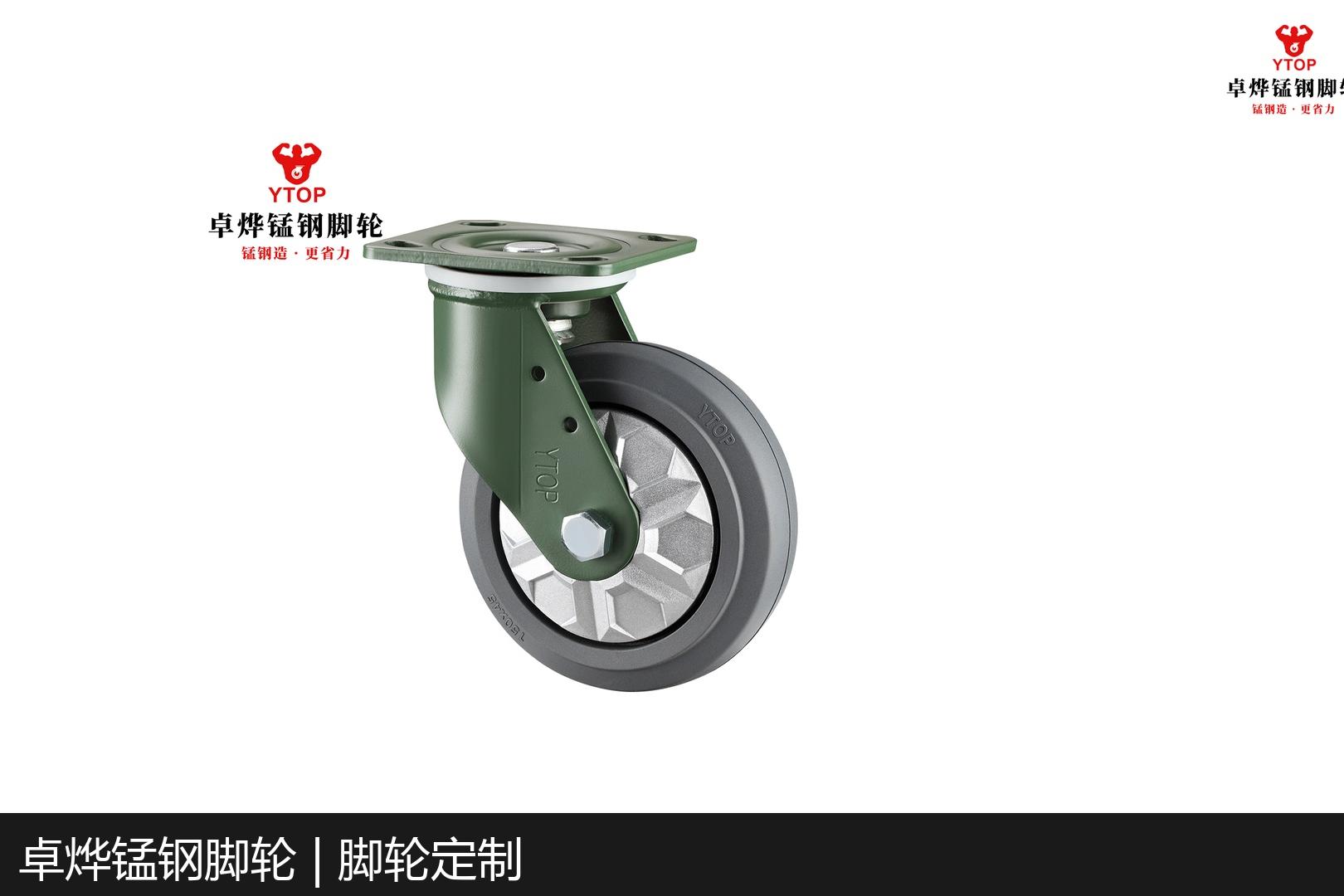
Universal wheels, or swivel casters, feature a rotating bearing assembly that allows the wheel to pivot 360 degrees around a vertical axis. This swivel mechanism typically consists of ball races or tapered bearings that enable smooth rotation with minimal effort. The offset between the swivel axis and the wheel center creates a trailing action that automatically aligns the wheel in the direction of travel, ensuring stable and predictable movement.
Key Benefits of Universal Wheels
Universal wheels excel in maneuverability. They allow carts and equipment to turn in place, navigate narrow aisles, and change direction without needing to be repositioned. This makes them indispensable for applications in warehouses, hospitals, and retail environments where space is limited. Universal wheels are available with various brake options, including total lock and directional locks, to combine mobility with security.
What Are Fixed Wheels (Rigid Casters)?
Design and Mechanism
Fixed wheels, also called rigid or straight casters, are mounted in a fixed fork that does not rotate. The wheel can only roll forward and backward along a single axis. This fixed orientation provides excellent straight-line tracking, keeping equipment moving in a consistent direction even when pushed at an angle. Fixed casters are simpler in design, with fewer moving parts, resulting in lower cost and greater durability.
Key Benefits of Fixed Wheels
Fixed wheels offer superior directional stability, making them ideal for long-distance transport along straight paths. They require no maintenance of swivel bearings and handle higher side loads without wear. In typical cart configurations, two fixed wheels are paired with two universal wheels to create a stable, maneuverable four-wheel system. Fixed wheels also have a lower profile and lower cost than universal wheels.

Universal Wheels vs Fixed Wheels: Detailed Comparison
Maneuverability
In the universal wheels vs fixed wheels comparison, maneuverability is the defining difference. Universal wheels can turn in any direction, including 90-degree turns and pivoting in place. Fixed wheels can only travel straight and require a wide turning radius. For navigating tight corners, narrow doorways, or confined workspaces, universal wheels are essential.
Straight-Line Stability
Fixed wheels provide superior straight-line stability. They resist lateral drift and maintain a consistent path even when pushed off-center. Universal wheels, while maneuverable, may wander or shimmy at higher speeds or under heavy loads. For applications requiring precise straight-line tracking, fixed wheels are preferred.
Cost and Maintenance
Fixed wheels typically cost 20-40% less than universal wheels of the same size and material. They have fewer moving parts, requiring less maintenance and offering longer service life under heavy loads. Universal wheels have swivel bearings that may require periodic lubrication and eventual replacement.
Load Distribution
When properly configured, both wheel types can support equivalent loads. However, universal wheels under heavy side load may experience premature swivel bearing wear. Fixed wheels distribute load directly through the fork without lateral stress, making them more durable under sustained heavy loads.
Optimal Caster Configurations
Two Fixed + Two Universal
The most common configuration uses two fixed wheels at the front and two universal wheels at the rear (or vice versa). This setup combines the straight-line stability of fixed wheels with the turning flexibility of universal wheels. It provides excellent tracking while allowing easy maneuvering.
All Universal Wheels
Using four universal wheels maximizes maneuverability, allowing the equipment to move in any direction (omnidirectional). This configuration is ideal for tight spaces but may sacrifice straight-line stability at higher speeds. Adding brakes to all four wheels provides secure immobilization.

Configuration Calculations and Best Practices
Caster Placement and Load Distribution
Proper caster placement is critical for stable equipment movement. The optimal configuration places casters at the corners of a rectangle, with the load center within the support polygon formed by the caster positions. For carts with overhanging loads, move the casters outward to enlarge the support base. Rule of thumb: the distance between front and rear casters should be at least 1.5 times the distance between left and right casters for stable tracking.
Turning Radius and Maneuvering Space
Four-universal-wheel carts can pivot in place and require minimal clearance. However, they may track poorly at higher speeds. A 2+2 configuration (2 swivel + 2 rigid) requires a wider turning circle but tracks straight at speed. Measure your narrowest aisle and doorway clearance before finalizing the configuration. For tight spaces, consider a diagonal 2+2 arrangement for reduced turning radius.
Industry Application Examples
Warehouse and Material Handling
In warehouse environments with long straight runs between aisles, a 2+2 configuration is standard. Fixed wheels at the front maintain straight tracking down long aisles, while swivel wheels at the rear enable precise maneuvering at picking locations. For order pickers moving between narrow racks, all-swivel configurations may be preferred despite the tracking trade-off.
Medical and Healthcare Equipment
Hospital beds and medical carts use all-swivel casters with total-lock brakes. The need to position equipment precisely at bedside, in elevators, and through narrow corridors demands maximum maneuverability. The fixed configuration is unsuitable for healthcare settings where space is limited and positioning accuracy is critical.
Industrial Carts and Trolleys
Heavy industrial carts typically use 2+2 or 4-rigid configurations depending on the travel path. Carts that move along dedicated tracks or conveyor lines benefit from fixed wheels. Carts that must navigate mixed environments (aisles, doorways, loading docks) require the flexibility of swivel casters.
Maintenance and Troubleshooting
Common Swivel Caster Issues
Swivel casters may develop shimmy (vibration at speed) or hard steering if the swivel bearings are worn or improperly lubricated. Inspect ball races for pitting or corrosion. Fixed wheels may develop toe-in or toe-out alignment over time, causing the cart to drift sideways. Check mounting bolts periodically and re-torque to manufacturer specifications.
When to Replace Caster Configurations
If your cart consistently requires more force to push or steer, or if it veers off course unexpectedly, the caster configuration may no longer match the application needs. Consider upgrading to larger swivel bearings, changing wheel sizes, or adjusting the caster placement for improved performance.
Cost Comparison and Long-Term Value
Purchase Price Differences
Fixed (rigid) casters typically cost 20-40% less than equivalent swivel casters. This price difference reflects the simpler fork design and absence of swivel bearings. For budget-conscious projects where straight-line movement is acceptable, fixed casters offer significant cost savings.
Total Cost of Ownership
While fixed casters cost less upfront, the total cost of ownership depends on the application. Swivel casters improve maneuverability, reduce operator fatigue, and enable equipment to be used in more locations. In many industrial settings, the productivity gains from easy maneuverability far outweigh the initial price premium of swivel casters.
Directional Lock Accessories
For applications that need both straight-line tracking and occasional maneuverability, directional locks offer a compromise. These locks allow swivel casters to be fixed in the straight-ahead position, converting them temporarily into rigid casters. This is useful when a cart needs to travel straight down a long aisle before turning at the end. Directional locks add complexity but provide flexibility for mixed-path applications.
When designing a new cart or upgrading an existing one, consult with a caster specialist to evaluate your specific travel paths, load requirements, and space constraints. The right caster configuration can significantly improve productivity, reduce workplace injuries, and extend equipment life.
Remember: the best caster configuration balances maneuverability, stability, cost, and maintenance requirements. No single configuration is universally superior. Evaluate your unique operational needs before making the final selection.
Frequently Asked Questions
Can I replace fixed wheels with universal wheels?
Yes, but consider the trade-off: you gain maneuverability but lose some straight-line stability. For carts that primarily travel straight, keeping fixed wheels is more economical and durable.
How many universal wheels does a cart need?
For optimal maneuverability and stability, a standard four-wheel cart should use at least two universal wheels. A 2+2 configuration (two fixed, two universal) is the industry standard.
Which configuration is best for heavy loads?
For heavy loads (over 500kg total), use two fixed wheels at the load center and two universal wheels at the ends. This balances stability and maneuverability while preventing swivel bearing overloading.
Related Reading
- 📚 Brake Wheel vs Universal Wheel — Compare braked swivel casters with standard universal wheels.
- 📚 Bearing Wheel vs Universal Wheel — Understand bearing types and their impact on caster performance.
- 📚 How to Choose Casters: Selection Guide — Expert guidance on caster configuration for real applications.
- 📚 Caster Selection Strategy — Material and brand considerations for caster purchasing.
- 📚 Universal Wheel Removal and Installation — Step-by-step guide to caster maintenance.
Explore our range of heavy-duty casters (150-610kg) and medium-duty casters (100-190kg) available in both swivel and rigid configurations, or contact our sales team for custom caster configuration advice.
Post time: Feb-19-2024