
Understanding the brake wheel vs universal wheel distinction is essential for anyone selecting caster wheels for carts, equipment, or industrial applications. While both are standard caster types used across countless industries, they serve fundamentally different purposes. Brake wheels (also called brake casters) combine swivel mobility with locking capabilities for safety and positioning, whereas universal wheels (swivel casters) provide 360-degree rotation for maximum maneuverability without braking. This guide explores the key differences, helping you choose the right caster type for your specific application.
Understanding Brake Wheels (Brake Casters)
What Is a Brake Wheel?
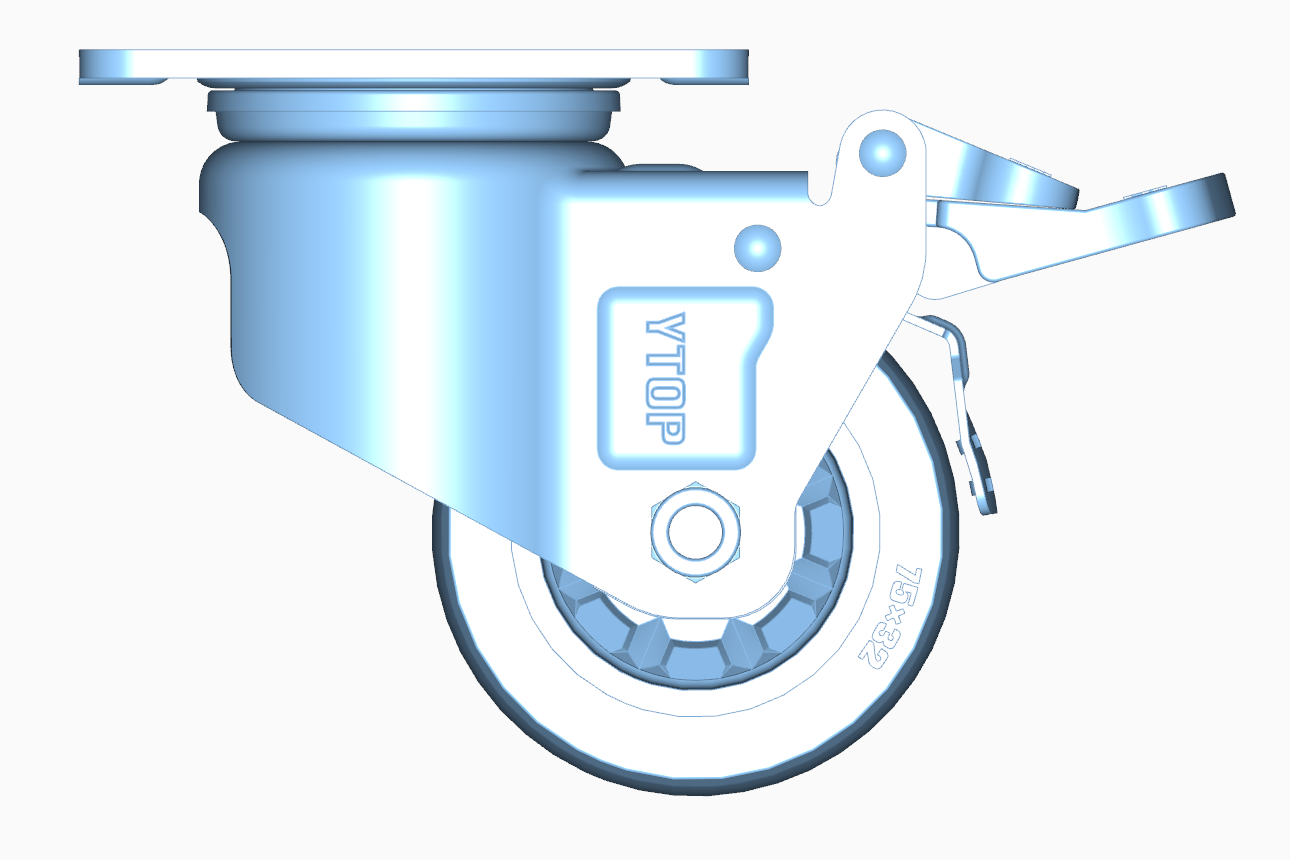
A brake wheel, or brake caster, is a swivel caster integrated with a braking mechanism that locks both the wheel rotation and swivel movement. When engaged, the brake prevents the caster from rolling or turning, securely holding the equipment in place. Brake wheels are commonly used on carts, mobile workstations, medical equipment, and industrial trolleys where both mobility and stationary stability are required. The brake can be foot-activated or hand-operated, depending on the design and application requirements.
Types of Brake Mechanisms
There are several types of brake mechanisms available. Total-lock brakes secure both the wheel rotation and swivel bearing, providing maximum stability. Directional locks only prevent swivel rotation while allowing the wheel to roll straight. Side brakes engage the wheel tread from the side, while dual brakes lock both the wheel and swivel mechanism simultaneously. Each type serves different operational needs, from simple positioning to complete immobilization.

Understanding Universal Wheels (Swivel Casters)
What Is a Universal Wheel?
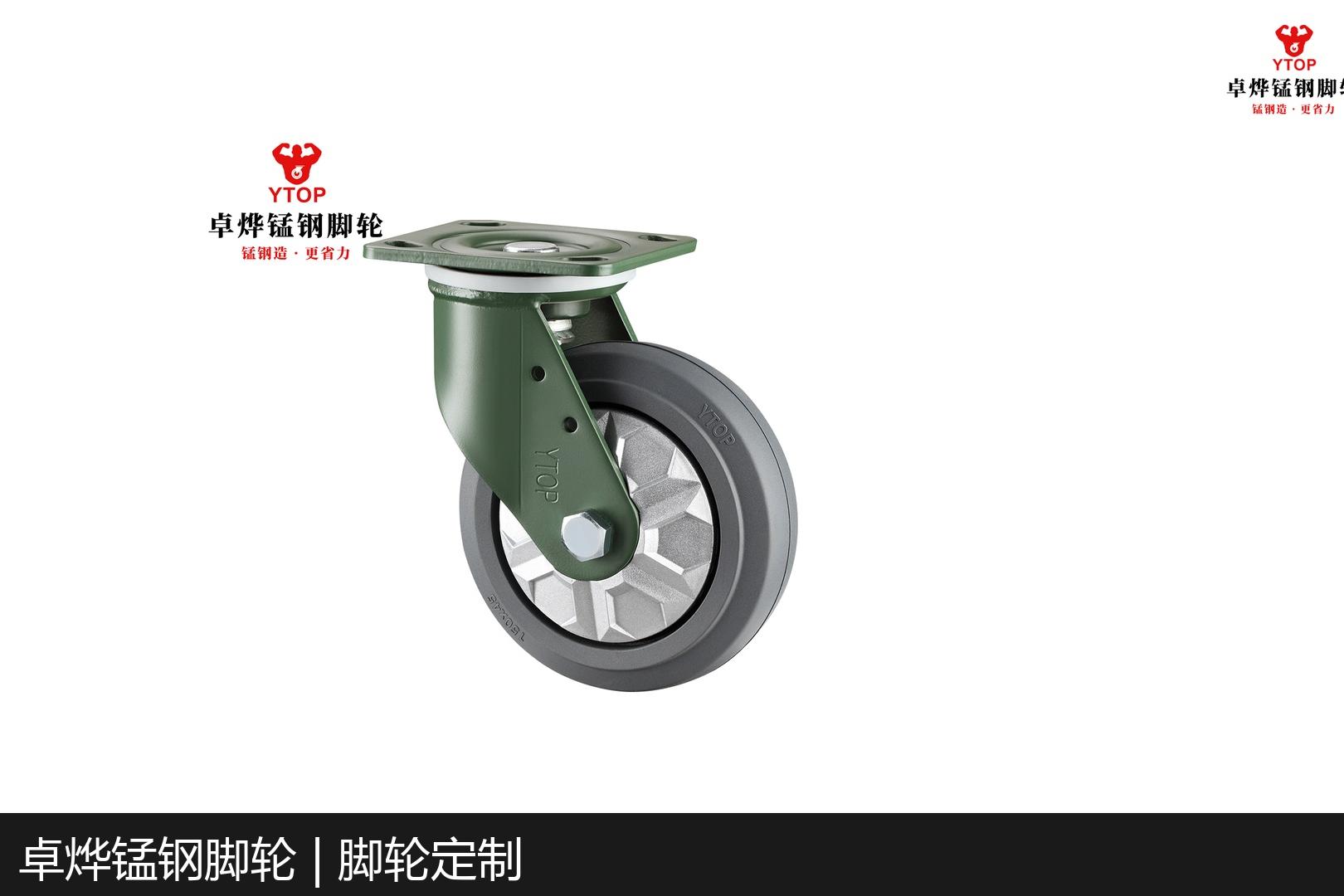
A universal wheel, also known as a swivel caster, is a caster that can rotate 360 degrees around its vertical axis. This rotational capability allows equipment to move in any direction without needing to lift or reposition the entire load. Universal wheels are the most common caster type used on office chairs, shopping carts, furniture, and light-duty equipment. Their primary advantage is exceptional maneuverability in tight spaces and confined areas.
How Universal Wheels Work
Universal wheels operate on a swivel bearing assembly typically consisting of two concentric races with ball bearings or roller bearings between them. The offset between the swivel axis and the wheel center creates a trailing action that automatically aligns the wheel in the direction of travel. This self-aligning characteristic ensures smooth, stable rolling even when the equipment changes direction abruptly. The swivel bearing design determines the turning effort required and the load capacity of the caster.
Brake Wheel vs Universal Wheel: Key Differences
Functional Purpose
The primary distinction between brake wheel vs universal wheel applications lies in their core function. Brake wheels are designed for controlled mobility with the ability to lock securely in position. They are essential in applications where equipment must remain stationary during operation, such as workstations, medical beds, and industrial machinery. Universal wheels, by contrast, prioritize freedom of movement and directional flexibility. They excel in applications requiring frequent turning, narrow aisle navigation, and general transport without the need for locking.
Safety and Stability
Brake wheels provide superior safety and stability by preventing unintended movement. In environments with slopes, uneven floors, or during equipment operation, brake wheels ensure the load stays put. Universal wheels offer no inherent braking capability, making them unsuitable for applications where uncontrolled movement poses a safety hazard. However, universal wheels are often used in combination with brake wheels in caster configurations (e.g., two swivel + two swivel-brake) to balance mobility and stability.
Cost and Maintenance
Brake wheels generally cost 20-40% more than standard universal wheels due to the additional brake mechanism. They also require slightly more maintenance, as brake components may wear over time and need adjustment or replacement. Universal wheels have fewer moving parts, resulting in lower maintenance requirements and longer service life under normal conditions.
Load Distribution and Configuration
In typical caster setups, equipment uses either all universal wheels for maximum maneuverability or a combination of two fixed wheels and two swivel wheels for directional control. Adding brake wheels into this configuration requires careful load distribution planning. When brake wheels are locked, they bear the primary load, while the remaining wheels bear less. Understanding this load transfer is critical for proper caster selection.
Application Scenarios
When to Use Brake Wheels
Brake wheels are ideal for applications where the equipment needs to stop and stay in place: medical equipment, mobile workbenches, catering carts, display racks, and any equipment used on inclined surfaces. In industrial settings, brake wheels secure machinery during operation, preventing shift or vibration-induced movement.
When to Use Universal Wheels
Universal wheels are perfect for general transportation and maneuvering: shopping carts, office furniture, lightweight equipment stands, and any application where continuous movement is required without frequent stopping. They are the standard choice for equipment that primarily travels flat, smooth surfaces.
Selection Guide
To choose between brake wheels and universal wheels, assess whether your application requires secure positioning (choose brake wheels) or maximum maneuverability (choose universal wheels). In many cases, a combination of both is optimal: use brake wheels on two corners and universal wheels on the other two, allowing both easy maneuvering and secure locking when needed.
Brake Wheel vs Universal Wheel: Technical Specifications
Swivel Bearing Design
The swivel bearing assembly is a critical differentiator. Quality brake wheels use double ball race swivels with hardened steel races for smooth rotation under load. Universal wheels without brakes may use simpler single race designs for cost savings. When selecting brake wheels, verify that the swivel bearing can handle both vertical load and the additional stress of braking forces.
Brake Pedal Ergonomics
Brake pedals vary significantly in design and usability. Foot-activated pedals should require 20-40N of force for engagement, providing clear tactile feedback when the brake locks. Hand-operated brakes are available for low-profile applications where foot access is limited. Consider the frequency of braking: for carts that need frequent positioning, a faster-acting side brake may be more efficient than a total lock brake.
Load Rating Verification
Always verify the load rating of braked casters separately from unbraked ones. The brake mechanism adds weight and may reduce the effective load capacity of the caster fork. Reputable manufacturers list both the wheel load rating and the brake-rated load capacity separately. For applications near the load limit, consult with the manufacturer to confirm brake-compatible load ratings.
Installation and Maintenance
Proper Brake Installation
When installing brake wheels, ensure the brake pedal faces the direction that allows easy foot access. For 4-wheel carts with 2 braked and 2 unbraked wheels, position the braked wheels on the same side or diagonally opposite corners for optimal stability. Over-tightening the caster mounting bolts can deform the fork and impede brake function.
Brake Maintenance Schedule
Inspect brake function monthly in industrial environments. Check for worn brake pads, loose pedal springs, and contamination (oil, grease) on the brake contact surfaces. Clean brake components with a degreaser and apply a light coat of silicone lubricant to pivot points. Replace worn brake pads before they completely wear through to prevent wheel or fork damage.
Cost-Benefit Analysis
When evaluating brake wheels vs universal wheels, consider the total cost of ownership over 3-5 years. While braked casters cost more upfront, they reduce workplace accidents, prevent equipment damage from unintended movement, and improve operational safety compliance. For high-value equipment or regulatory-sensitive environments, the safety benefits of brake wheels far outweigh the initial price premium.
Universal wheels, while more economical, require additional safety measures such as wheel chocks or floor locks when stationary. These supplementary devices add cost and inconvenience. In many industrial settings, OSHA and workplace safety regulations require braking on mobile equipment, making brake wheels not just a choice but a compliance necessity.
Frequently Asked Questions
Can a brake wheel be used as a universal wheel?
Yes, brake wheels are essentially universal wheels with an added brake mechanism. When the brake is disengaged, a brake wheel functions exactly like a universal swivel caster, providing 360-degree rotation.
How many brake wheels should a cart have?
For optimal stability, a cart should have brake wheels on at least two diagonally opposite corners. This configuration prevents the cart from tipping or sliding when only one brake is engaged.
What is the difference between a brake caster and a lockable caster?
Brake casters have an integrated braking mechanism that stops wheel rotation, while lockable casters may have a directional lock that prevents swivel rotation but still allows rolling. The terminology varies by manufacturer.
Are universal wheels suitable for heavy loads?
Universal wheels are available in heavy-duty versions with load capacities up to 1600kg per wheel. The key is selecting the appropriate swivel bearing design and wheel material for the load.
Related Reading
- 📚 Difference Between Caster Double Brakes and Side Brakes — Detailed comparison of caster brake types and mechanisms.
- 📚 Differences Between Universal and Fixed Wheels — Understand swivel vs rigid caster configurations.
- 📚 Caster Double Brake vs Single Brake Analysis — Compare brake types for safety and security.
- 📚 How to Choose Casters: Practical Selection Guide — Expert caster selection based on application needs.
- 📚 Bearing Wheel vs Universal Wheel Comparison — Compare bearing types for caster performance.
Explore our range of heavy-duty casters (150-610kg) and medium-duty casters (100-190kg) with brake and swivel options, or contact our sales team for expert caster configuration advice.
Post time: May-23-2024