
Universal casters, also known as movable casters or swivel casters, are widely used in a variety of equipment, tools, and furniture to facilitate movement and position adjustment. From office chairs and hospital beds to industrial carts and aerospace equipment, casters play a critical role in enabling efficient material handling and equipment mobility. However, like any mechanical component, casters require regular maintenance to ensure optimal performance, extend service life, and prevent costly failures. Proper maintenance methods can significantly extend the service life of caster wheels, ensure the normal operation of equipment, reduce maintenance costs, and most importantly, prevent workplace accidents caused by caster failure. This comprehensive guide provides detailed maintenance recommendations, scheduled maintenance plans, material-specific care instructions, troubleshooting guidance, and safety tips to help you better maintain your universal casters and keep your equipment operating at peak performance.
The Importance of Regular Caster Maintenance
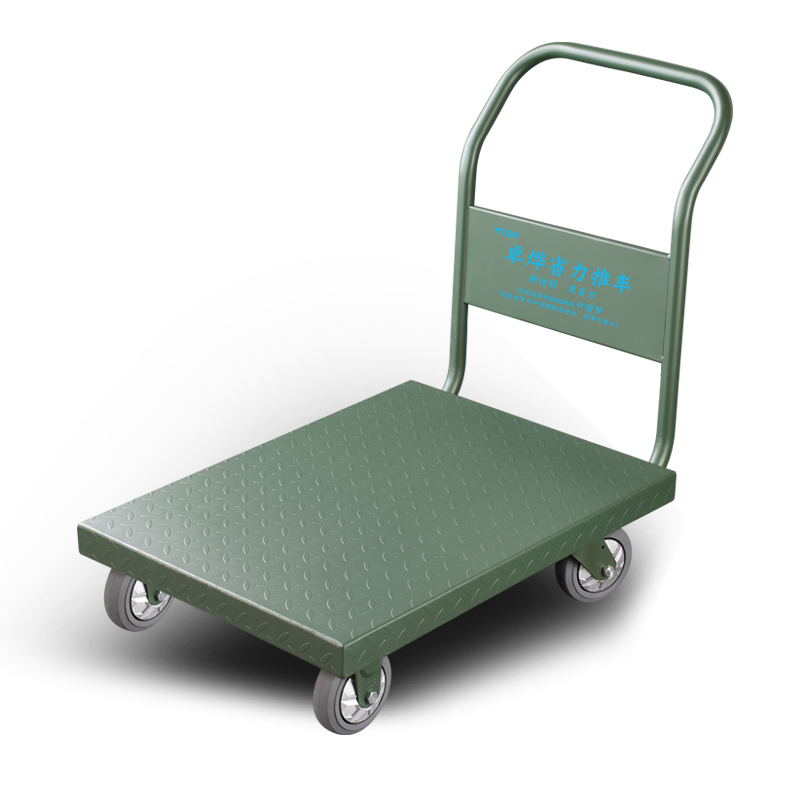
Regular caster maintenance is not just a good practice—it is essential for safety, performance, and cost-effectiveness. Neglecting caster maintenance can lead to a cascade of problems that affect both equipment and personnel:
Safety risks of neglected casters:
- Catastrophic wheel failure: Worn or damaged wheels can suddenly collapse under load, causing equipment to tip or fall, potentially injuring operators or bystanders
- Loss of steering control: Seized swivel raceways or locked wheels can cause carts to veer unexpectedly, leading to collisions with personnel, equipment, or structures
- Brake failure: Worn or improperly maintained brakes may not hold securely, allowing heavy equipment to roll unintentionally on inclines or during loading
- Wheel separation: Loose axles or damaged wheel hubs can cause wheels to separate from the caster rig, creating immediate instability and fall hazards
- Ergonomic injuries: Casters with high rolling resistance due to lack of lubrication or debris buildup require excessive push-pull force, leading to musculoskeletal injuries for operators
Financial benefits of regular maintenance:
- Extended service life: Properly maintained casters can last 2-3 times longer than neglected casters, reducing replacement costs
- Reduced downtime: Preventive maintenance identifies and resolves issues before they cause equipment failure, minimizing unplanned downtime
- Lower repair costs: Small issues caught early (such as a loose axle or dry bearing) are inexpensive to fix, while neglected issues can lead to catastrophic failure requiring complete caster replacement or equipment repair
- Improved productivity: Well-maintained casters roll smoothly and steer easily, reducing operator fatigue and improving material handling efficiency
- Floor protection: Properly maintained wheels with adequate tread protect flooring from damage, reducing floor repair and replacement costs
Investing a small amount of time in regular caster maintenance pays significant dividends in safety, performance, and cost savings over the life of your equipment.
Comprehensive Maintenance Schedule
Establishing a regular maintenance schedule is the foundation of effective caster care. The frequency of maintenance depends on several factors, including load capacity, frequency of use, operating environment, and caster type. Use the following schedule as a guideline, adjusting frequency as needed for your specific conditions:
Daily / Pre-Shift Inspection (2-5 minutes per equipment unit):
- Visually inspect all caster wheels for visible damage, cracks, chunks, or flat spots
- Check that wheels rotate freely by hand—no binding or unusual noise
- Verify swivel casters rotate 360 degrees without restriction or excessive play
- Test brakes (if equipped) for proper engagement and holding force
- Check for any debris, string, wire, or material wrapped around axles or swivel stems
- Verify all mounting bolts are present and appear tight
- Check floor area for debris or obstacles that could damage casters
- Listen for unusual noise (squeaking, grinding, rattling) during operation
Weekly Maintenance (10-15 minutes per equipment unit):
- Clean caster wheels and rigs with a soft brush or clean rag to remove dust, dirt, and debris
- Remove any accumulated string, hair, or packaging material from axles and wheel hubs
- Inspect wheel tread wear—measure remaining tread depth and compare to original specification
- Check wheel tread for flat spots, chunks, or embedded debris
- Verify swivel raceway operation—should rotate smoothly with minimal play
- Check axle nuts/bolts for tightness using appropriate tool
- Inspect caster rig for visible cracks, bends, or deformation
- Wipe down mounting plate and check for loose or missing fasteners
- For wet or chemical environments, rinse casters with clean water and dry thoroughly
Monthly Maintenance (20-30 minutes per equipment unit):
- Thoroughly clean all caster components with appropriate cleaning solution
- Lubricate wheel bearings with manufacturer-recommended grease (use grease fitting if equipped)
- Lubricate swivel raceway with light oil or grease (follow manufacturer recommendations)
- Inspect bearings for roughness, noise, or excessive play—replace if necessary
- Check axle for wear, bending, or thread damage—replace if worn beyond specifications
- Inspect swivel raceway for wear, pitting, or excessive play—replace caster if compromised
- Verify all mounting fasteners are torqued to manufacturer specification
- Check brake function and adjust or replace brake pads if worn
- Inspect wheel tread for wear—replace when tread wear exceeds 30% of original thickness
- Check that all casters on equipment are same height and equipment is level
- Inspect floor conditions and address any issues (cracks, holes, debris buildup)
- Document maintenance performed and any issues found in maintenance log
Quarterly Maintenance (30-45 minutes per equipment unit):
- Remove wheels from axles and clean all components thoroughly
- Inspect bearings in detail—clean, inspect, repack with grease or replace
- Check axle diameter for wear—replace if worn more than 5% of original diameter
- Inspect wheel hub for wear, cracks, or deformation
- Check swivel raceway balls/rollers for wear, pitting, or damage
- Inspect caster rig welds for cracks or separation
- Check mounting plate for deformation or elongated bolt holes
- Verify load rating plates are legible and intact
- Test brakes under load to verify holding force meets specification
- Inspect all caster hardware (bolts, nuts, washers) and replace any damaged or worn components
- Perform operational test with full load—check rolling resistance, steering effort, and stability
- Update maintenance log with detailed inspection results
Annual / Semi-Annual Deep Maintenance (45-60 minutes per equipment unit):
- Complete disassembly of all casters for thorough inspection
- Magnetic particle or dye penetrant inspection of caster rigs for cracks (for heavy-duty applications)
- Replace all bearings (regardless of condition) for critical applications
- Replace all axles and mounting hardware for heavy-duty or safety-critical applications
- Inspect wheel material for degradation (UV damage, chemical attack, thermal aging)
- Verify caster load capacity rating is still appropriate for current application (loads may have changed)
- Perform load test per manufacturer specification (if test equipment available)
- Replace any caster showing signs of structural fatigue, even if not yet failed
- Consider replacing all casters on equipment if average age exceeds expected service life
- Review maintenance history and identify any recurring issues for root cause analysis
- Update caster maintenance plan based on past year’s performance and any changes in application
- Complete comprehensive maintenance report with findings and recommendations
Maintenance frequency adjustment factors:
- Increase frequency if: Equipment operates 24/7, loads exceed 80% of rated capacity, floors are rough or abrasive, environment is wet/chemical/dusty, equipment is used outdoors, casters show accelerated wear
- Decrease frequency if: Equipment is used occasionally (less than 1 hour/day), loads are light (less than 50% of capacity), environment is clean and dry, floors are smooth and well-maintained, casters are premium quality with sealed bearings
Cleaning and Lubrication Best Practices
Proper cleaning and lubrication are the two most important maintenance tasks for extending caster life and ensuring smooth operation. Follow these best practices:
Cleaning procedures:
- Remove loose debris: Use a soft brush, compressed air (if available), or clean rag to remove dust, dirt, and loose debris from wheels, axles, swivel raceways, and caster rigs.
- Remove wrapped material: Carefully cut and remove any string, hair, wire, packaging tape, or plastic wrap that has become wrapped around axles, wheel hubs, or swivel stems. These materials can bind wheels and cause premature bearing failure.
- Wash with appropriate solution: For general cleaning, use a mild detergent (such as dish soap) mixed with warm water. For heavy grease or oil buildup, use a degreaser appropriate for the caster material. For food processing environments, use food-grade cleaning solutions.
- Scrub stubborn areas: Use a soft-bristled brush to scrub stubborn dirt from wheel treads, bearing housings, and crevices. Avoid using wire brushes on caster rigs with protective finishes, as they can scratch and expose bare metal to corrosion.
- Rinse thoroughly: Rinse all components with clean water to remove all cleaning solution residue. For casters with grease fittings, avoid direct high-pressure water spray into bearings, as this can force water past seals and contaminate lubricant.
- Dry completely: Dry all components with a clean cloth or allow to air dry completely before lubricating or returning to service. Moisture trapped in bearings or raceways can cause corrosion and premature failure.
- Inspect during cleaning: Use the cleaning process as an opportunity to inspect all components for wear, damage, or corrosion. Identify any issues that require repair or replacement.
Lubrication procedures:
- Select correct lubricant: Use the lubricant recommended by the caster manufacturer. Common options include: lithium-based grease for general industrial use, aluminum complex grease for high-temperature applications, silicone grease for plastic/rubber components, food-grade grease for food processing, and light machine oil for swivel raceways.
- Clean lubrication points: Wipe grease fittings and lubrication points clean before applying lubricant to prevent pushing dirt into bearings or raceways.
- Lubricate wheel bearings: If casters have grease fittings (zerk fittings), attach grease gun and pump until fresh grease appears at bearing seals (usually 2-3 pumps). If no grease fitting, apply a small amount of grease to the axle before reinstalling wheel, or use a needle adapter to inject grease between axle and bearing.
- Lubricate swivel raceway: Apply light oil or grease to the swivel raceway (the area where the upper and lower rig rotate). For kingpinless casters, apply lubricant through the lubrication fitting if equipped, or apply to the gap between upper and lower raceways and work in by rotating the caster.
- Lubricate brake mechanisms: Apply a small amount of light oil to brake pivots, cam surfaces, and spring mechanisms to ensure smooth operation. Avoid getting lubricant on brake pads or wheel treads, as this can reduce braking effectiveness.
- Lubricate threaded components: Apply anti-seize compound or light grease to axle threads, mounting bolts, and adjustment screws to prevent seizing and facilitate future maintenance.
- Remove excess lubricant: Wipe away any excess grease or oil from caster surfaces, as excess lubricant can attract dust and dirt, creating an abrasive paste that accelerates wear.
- Document lubrication: Record lubrication date, lubricant type, and any observations in the maintenance log.
Lubrication frequency guidelines:
- Normal industrial use: Monthly lubrication of bearings and raceways
- Heavy-duty / continuous use: Weekly lubrication
- Wet / wash-down environments: After each wash-down or at least weekly
- High-temperature environments: Every 2 weeks with high-temperature grease
- Dusty / abrasive environments: Every 2 weeks (sealed bearings may require less frequent lubrication)
- Food processing: Daily or per sanitation schedule with food-grade lubricant
- Sealed / maintenance-free bearings: No regular lubrication required, but inspect periodically for seal damage
Wheel and Axle Inspection and Replacement
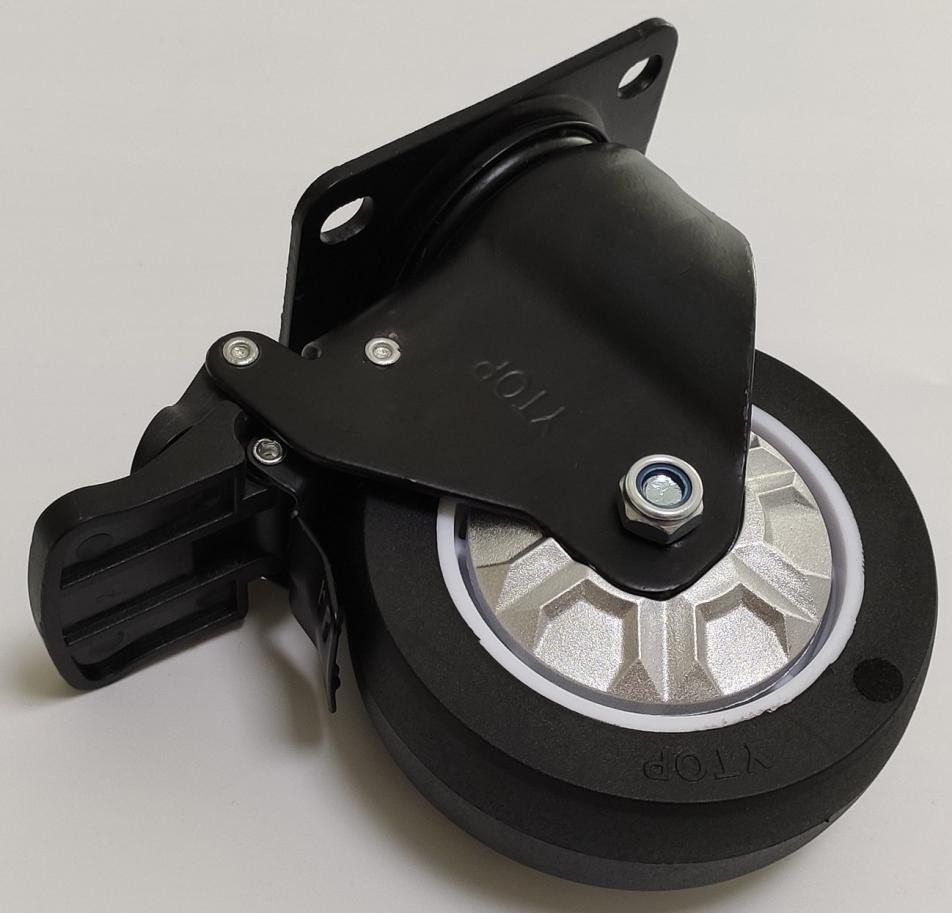
Wheels and axles are critical load-bearing components that require regular inspection and timely replacement to ensure safe operation. Follow these guidelines for effective wheel and axle maintenance:
Wheel inspection checklist:
- Tread wear: Measure remaining tread depth and compare to original specification. Replace wheels when tread wear exceeds 30% of original thickness, or when the tread is worn flush with the wheel hub.
- Flat spots: Inspect for flat spots caused by skidding, dragging, or prolonged stationary use under load. Flat spots cause vibration, noise, and increased rolling resistance—replace wheels with significant flat spots.
- Chunks and gouges: Check for chunks missing from the tread, deep gouges, or material separation (especially for polyurethane tread on iron core wheels). These defects can cause sudden failure under load.
- Cracks: Inspect wheel tread and hub for cracks, especially around the axle bore and wheel hub. Cracks can propagate rapidly under load and cause catastrophic failure.
- Deformation: Check for wheel deformation, out-of-round condition, or warping. This can be caused by overloading, high temperatures, or impact damage.
- Embedded debris: Remove any metal, glass, or other hard debris embedded in the wheel tread. Small embedded objects can cause floor damage and accelerate wear.
- Material degradation: Inspect for signs of material degradation, including hardening, softening, discoloration, cracking due to UV exposure, chemical attack, or thermal aging.
- Bearing condition: Rotate wheel by hand and listen/feel for roughness, noise, or binding. Check for excessive play in the bearing. Replace bearings if rough, noisy, or loose.
- Hub condition: Inspect wheel hub for cracks, elongation of axle bore, or damage to bearing seats.
Axle inspection checklist:
- Straightness: Check axle for bending or deformation. A bent axle causes wheel wobble, uneven wear, and increased rolling resistance. Replace if bent.
- Diameter wear: Measure axle diameter at bearing contact points and compare to original specification. Replace if worn more than 5% of original diameter, or if visible wear grooves are present.
- Thread condition: Inspect threaded axles for stripped, crossed, or damaged threads. Replace if threads are damaged, as proper torque cannot be achieved.
- Surface condition: Check axle surface for pitting, scoring, rust, or corrosion. These conditions accelerate bearing wear and can cause bearing seizure.
- Shoulder condition: For shouldered axles, inspect the shoulder for wear or deformation. A worn shoulder allows excessive wheel movement and can cause wheel rub on fork legs.
- Fastener condition: Inspect axle nuts, bolts, cotter pins, or retaining rings for damage, wear, or missing components. Replace any damaged or missing fasteners.
- Attachment security: Verify that axle is securely attached to caster fork and that all fasteners are properly torqued. For welded axles, inspect welds for cracks or separation.
When to replace wheels:
- Tread wear exceeds 30% of original thickness
- Flat spots, chunks, or gouges are present
- Cracks are visible in tread or hub
- Wheel is deformed or out of round
- Bearings are rough, noisy, or have excessive play
- Wheel hub is cracked or axle bore is elongated
- Material shows significant degradation (hardening, softening, UV damage)
- Wheel causes excessive vibration or noise during operation
- Wheel rubs on caster fork or other components
When to replace axles:
- Axle is bent or deformed
- Axle diameter is worn more than 5%
- Threads are stripped or damaged
- Axle surface is pitted, scored, or corroded
- Shoulder is worn or deformed
- Welds are cracked or separated (for welded axles)
- Axle cannot be properly torqued or secured
Wheel replacement procedure:
- Safely elevate and support equipment so caster is off the ground (use jack stands, not just a hydraulic jack)
- Remove axle fastener (nut, bolt, cotter pin, or retaining ring)
- Slide axle out of caster fork and wheel
- Remove old wheel from caster fork
- Clean axle and caster fork thoroughly
- Inspect axle for wear—replace if necessary
- Inspect caster fork for damage—replace if necessary
- Install new wheel (with new bearings if applicable) into caster fork
- Apply light grease to axle before insertion
- Insert axle through fork and wheel
- Secure axle with appropriate fastener, torqued to manufacturer specification
- Verify wheel rotates freely without binding or excessive play
- Check that wheel does not rub on caster fork
- Lower equipment and test operation with partial load before full load
Load Management and Safe Operation
Proper load management and safe operation practices are essential for maximizing caster life and preventing accidents. Even the best-maintained casters will fail prematurely if subjected to abuse or overloading.
Load capacity principles:
- Never exceed rated load capacity: Each caster has a rated load capacity specified by the manufacturer. This rating is based on specific test conditions and includes a safety margin, but it should never be exceeded.
- Calculate per-caster load correctly: Total load ÷ (number of casters – 1) = per-caster load (accounting for uneven load distribution). Apply additional safety factor for dynamic conditions.
- Consider dynamic loads: Starting, stopping, turning, towing, and impacts create dynamic forces that can exceed static load by 50-200%. Reduce static load accordingly when dynamic loads are present.
- Distribute load evenly: Position cargo as evenly as possible on the equipment to avoid overloading individual casters. Avoid concentrated loads that exceed the capacity of casters in one area.
- Account for uneven floors: On uneven floors, only 3 of 4 casters may bear the full load at any time. This is why the (number of casters – 1) formula is used.
- Consider floor capacity: Ensure the floor can support the total load, including point loads from caster wheels. Use wider wheels or load distribution plates if floor capacity is a concern.
Safe operation practices:
- Start and stop gradually: Avoid sudden starts and stops that create high dynamic forces on casters and can cause wheel skidding or load shift.
- Maintain safe speed: Do not exceed recommended towing or pushing speed (typically 3-5 km/h for manual carts, up to 8 km/h for towed applications). Higher speeds increase dynamic loads and reduce operator control.
- Avoid impacts: Do not run casters into curbs, walls, other equipment, or floor obstructions. Impacts can crack wheels, bend axles, damage swivel raceways, and cause load shift.
- Use appropriate push-pull force: Do not exceed recommended push-pull forces (typically 20-25 kg for manual operation). Excessive force indicates a problem (worn bearings, debris, under-sized wheels, overloading) that should be addressed.
- Engage brakes when stationary: Always engage brakes when equipment is stationary, especially on inclines or during loading/unloading. Verify that brakes hold securely before leaving equipment unattended.
- Avoid dragging locked wheels: Do not attempt to move equipment with brakes engaged. Dragging locked wheels causes flat spots, accelerates tread wear, and can damage floor surfaces.
- Use ramps for level changes: Do not drop equipment off curbs or loading docks. Use appropriate ramps with gradual slopes (maximum 5-7% grade for manual operation, 10-12% for powered equipment).
- Train operators: Ensure all personnel who use caster-equipped equipment are trained in proper operation, load limits, brake use, and safety procedures.
Signs of overloading or abuse:
- Wheel tread deformation or “squishing” under load
- Axle bending or permanent deformation
- Caster rig bending or cracking
- Mounting plate deformation or elongated bolt holes
- Wheel hub cracking or separation from tread
- Bearing seizure or collapse
- Swivel raceway binding or excessive play
- Excessive push-pull effort required to move equipment
- Unusual noise (grinding, popping, creaking) during operation
- Equipment instability or wobbling during movement
If any of these signs are observed, immediately remove equipment from service, inspect all components, and reduce load or replace casters as necessary before returning to service.
Environment-Specific Maintenance Considerations
Different operating environments present unique challenges for caster maintenance. Tailor your maintenance program to address the specific conditions of your operating environment:
Wet and high-moisture environments:
- Inspect casters daily for signs of corrosion (rust, pitting, discoloration)
- Rinse casters with clean water after exposure to chemicals, salt, or contaminants
- Dry casters thoroughly after wash-down or exposure to water
- Lubricate more frequently (weekly or after each wash-down) to displace moisture
- Use corrosion-resistant casters (stainless steel, zinc-plated, or chrome-plated)
- Use sealed bearings to prevent water ingress
- Inspect wheel materials for water absorption (nylon wheels can absorb moisture and swell)
- Check for galvanic corrosion between dissimilar metals
- Store equipment in dry area when not in use
Chemical and corrosive environments:
- Identify all chemicals present and verify caster material compatibility
- Rinse casters immediately after chemical exposure
- Use chemical-resistant wheel materials (nylon, polypropylene, certain polyurethanes)
- Use stainless steel or heavily plated caster rigs
- Use chemical-resistant lubricants (silicone grease, PTFE-based lubricants)
- Inspect more frequently for material degradation (cracking, softening, swelling, discoloration)
- Replace casters at first sign of chemical attack
- Ensure proper ventilation and personal protective equipment during maintenance
- Consult caster manufacturer for specific chemical compatibility data
High-temperature environments:
- Verify caster temperature rating matches operating environment
- Use high-temperature wheel materials (cast iron, steel, phenolic resin, high-temp polyurethane)
- Use high-temperature grease (rated for operating temperature) or solid lubricant
- Inspect wheels more frequently for thermal degradation (hardening, cracking, melting)
- Allow casters to cool before performing maintenance (use heat-resistant gloves)
- Check for thermal expansion that could cause binding or interference
- Verify that lubricant does not break down or drip at operating temperature
- Use bearings rated for high-temperature operation
- Reduce load capacity at elevated temperatures per manufacturer derating guidelines
Low-temperature and cold storage environments:
- Verify caster low-temperature rating (standard casters may become brittle below -10°C)
- Use low-temperature wheel materials (special polyurethane, rubber, nylon with impact modifiers)
- Use low-temperature grease or lubricant that remains fluid at operating temperature
- Inspect wheels more frequently for cracking or brittleness
- Avoid impacts at low temperatures (materials become more brittle and prone to cracking)
- Allow casters to warm gradually when moving between temperature extremes (prevents condensation and thermal shock)
- Check for ice or frost buildup on wheels, axles, and raceways
- Use sealed bearings to prevent moisture ingress and freezing
- Reduce load capacity at low temperatures per manufacturer derating guidelines
Dusty and abrasive environments:
- Clean casters more frequently (weekly or daily in extreme conditions)
- Use sealed bearings to prevent abrasive particle ingress
- Use wiper seals or flingers on wheel hubs to exclude debris
- Inspect wheels frequently for accelerated wear (abrasive particles act like sandpaper)
- Use wear-resistant wheel materials (cast iron, steel, high-grade polyurethane)
- Lubricate more frequently to flush out abrasive particles
- Remove accumulated dust and debris from swivel raceways regularly
- Check for abrasive wear on axle surfaces and bearing bores
- Consider using caster covers or shields in extremely dusty environments
Outdoor and weather-exposed environments:
- Use corrosion-resistant caster construction (stainless steel, zinc-plated, powder-coated)
- Use UV-resistant wheel materials (some polyurethanes and rubbers degrade under UV exposure)
- Inspect frequently for corrosion, UV damage, and weather-related degradation
- Clean after exposure to salt, chemicals, or environmental contaminants
- Lubricate more frequently (moisture from rain, dew, or humidity accelerates corrosion)
- Use larger wheels for rough outdoor terrain (reduces rolling resistance and impact)
- Use pneumatic or solid rubber wheels for uneven outdoor surfaces
- Store equipment indoors or under cover when not in use
- Check for ice, snow, or mud buildup in winter conditions
Food processing and pharmaceutical environments:
- Use food-grade lubricants (NSF H1 or H2 registered) for all lubrication points
- Follow sanitation schedule for cleaning and inspection
- Use stainless steel or non-corrosive caster construction
- Use non-marking, chemical-resistant wheel materials
- Inspect for product buildup in crevices (clean thoroughly to prevent bacterial growth)
- Verify all caster materials are FDA-compliant or meet applicable food contact regulations
- Use sealed bearings to prevent product contamination and lubricant leakage
- Document all maintenance and sanitation activities per regulatory requirements
- Replace casters at first sign of material degradation or corrosion (contamination risk)
- Ensure maintenance personnel follow proper hygiene and sanitation protocols
Troubleshooting Common Caster Problems
Even with regular maintenance, casters may develop problems that require diagnosis and repair. Use this troubleshooting guide to identify and resolve common caster issues:
Problem: Excessive rolling resistance (hard to push or pull)
- Possible causes: Under-sized wheels for load or floor conditions; flat or under-inflated tires (pneumatic wheels); debris wrapped around axles; dry or seized bearings; wheel rub on caster fork; misaligned caster orientation; overloaded equipment; rough or damaged floor surfaces; incorrect wheel material for floor type
- Solutions: Remove debris from axles; lubricate or replace bearings; verify wheel size and load capacity; check for wheel rub and adjust; ensure swivel casters are oriented correctly; reduce load; repair floor surfaces; verify wheel material compatibility
Problem: Caster squeaks or makes noise during operation
- Possible causes: Dry bearings or swivel raceway; lack of lubrication; wheel rub on fork; loose axle or mounting bolts; damaged bearing; hard wheel material on hard floor; debris in bearing or raceway; brake pad dragging on wheel
- Solutions: Lubricate bearings and swivel raceway; check for wheel rub and adjust; tighten all fasteners; replace damaged bearings; clean bearings and raceway; adjust brake clearance; consider softer wheel material for noise reduction
Problem: Swivel caster does not rotate freely or binds
- Possible causes: Dry or corroded swivel raceway; debris in raceway; damaged or worn raceway balls/rollers; bent swivel stem; over-tightened kingpin (if kingpin design); side load damage; lack of lubrication; corrosion due to moisture exposure
- Solutions: Clean and lubricate swivel raceway; remove debris; inspect raceway for wear or damage; replace caster if raceway is damaged; check for bent stem and replace if necessary; adjust kingpin tension (if adjustable); reduce side loads; use corrosion-resistant casters in wet environments
Problem: Wheel wobbles or vibrates during operation
- Possible causes: Bent axle; out-of-round or deformed wheel; worn axle or bearing; loose axle fastener; wheel hub damage; uneven tread wear; flat spots on wheel; damaged caster fork; mounting surface not flat
- Solutions: Replace bent axle; replace deformed or out-of-round wheel; replace worn axle or bearing; tighten axle fastener; inspect and replace damaged wheel hub; replace wheel with uneven wear or flat spots; inspect and replace damaged caster fork; verify mounting surface is flat and reinforce if necessary
Problem: Brake does not hold or slips
- Possible causes: Worn brake pad; brake not properly adjusted; oily or greasy wheel tread; insufficient brake force for load; damaged brake mechanism; brake installed on wrong caster type; incline exceeds brake capacity; loose brake mounting
- Solutions: Replace worn brake pad; adjust brake tension per manufacturer instructions; clean oil/grease from wheel tread; verify brake capacity matches load and incline; replace damaged brake mechanism; ensure brake is compatible with caster type; use total lock brakes for heavy loads or inclines; tighten brake mounting fasteners
Problem: Caster leaves marks on floor
- Possible causes: Non-marking wheel material not used; wheel material degradation; dirt or debris on wheel tread; oil or grease transfer from wheel; excessive load causing wheel material transfer; floor finish incompatible with wheel material; hot wheels (from high-speed use) melting floor finish
- Solutions: Use non-marking wheel material (gray rubber, polyurethane, nylon); replace degraded wheels; clean wheel treads regularly; remove oil/grease from wheels; reduce load; verify floor finish compatibility with wheel material; reduce speed to prevent wheel heating; use floor mats in problem areas
Problem: Caster corrosion or rust
- Possible causes: Exposure to moisture or water; chemical exposure; lack of corrosion protection; damaged protective coating; improper storage; high-humidity environment; salt exposure (coastal or winter road salt); galvanic corrosion between dissimilar metals
- Solutions: Remove light corrosion with wire brush and apply rust inhibitor; replace heavily corroded components; upgrade to corrosion-resistant casters (stainless steel, plated); repair damaged protective coating; store in dry environment; rinse after chemical/salt exposure; use compatible metals to prevent galvanic corrosion; increase lubrication frequency to displace moisture
Problem: Caster mounting bolts loosen frequently
- Possible causes: Insufficient torque; vibration from operation; missing lock washers or thread locker; elongated bolt holes in mounting plate; weak mounting surface; overloading causing flex; incorrect bolt grade; thermal cycling causing loosening
- Solutions: Torque bolts to manufacturer specification with calibrated torque wrench; use lock washers, nylon lock nuts, or thread locker; replace mounting plate if bolt holes are elongated; reinforce weak mounting surface with backing plate; reduce load; use grade 8 or higher bolts; re-torque after thermal cycling; consider using locking fasteners for high-vibration applications
Safety Precautions During Maintenance
Caster maintenance involves working with heavy equipment, mechanical components, and potentially hazardous materials. Follow these safety precautions to protect yourself and others during maintenance activities:
Personal protective equipment (PPE):
- Safety glasses or goggles to protect eyes from debris, cleaning chemicals, and lubricant splash
- Work gloves to protect hands from sharp edges, hot components, and chemicals
- Steel-toe safety shoes to protect feet from falling equipment or components
- Back support belt when lifting heavy caster assemblies or equipment
- Respirator or dust mask when working in dusty environments or with cleaning chemicals
- Heat-resistant gloves when working with high-temperature casters or equipment
- Chemical-resistant gloves when handling degreasers, solvents, or corrosive chemicals
Equipment safety:
- Always elevate and support equipment properly before working on casters. Use jack stands, blocks, or a lift designed for the equipment weight. Never rely solely on a hydraulic jack.
- Ensure equipment is stable and cannot tip or shift during maintenance. Position center of gravity over support points.
- Engage all brakes and chock wheels (if equipment has non-caster wheels) before starting maintenance.
- Remove load from equipment before performing maintenance, if possible. If not, ensure support structure can handle the full load.
- Never work under equipment that is only supported by casters—always use additional support.
- Use proper lifting techniques when handling heavy caster assemblies (bend knees, keep back straight, lift with legs).
- Use mechanical lifting aids (hoist, dolly, cart) for casters or equipment exceeding 25kg.
- Keep work area clean and free of tripping hazards (tools, parts, cleaning rags, spilled fluids).
- Ensure adequate lighting in the work area.
Chemical and lubricant safety:
- Read and follow all safety data sheets (SDS) for cleaning chemicals, degreasers, and lubricants before use.
- Use chemicals only in well-ventilated areas or with appropriate respiratory protection.
- Never mix cleaning chemicals (especially bleach and ammonia, which create toxic gas).
- Store chemicals in approved containers with proper labeling.
- Dispose of used chemicals, lubricants, and cleaning rags per local environmental regulations.
- Keep chemicals away from heat sources, open flames, and ignition points.
- Wash hands thoroughly after handling chemicals or lubricants, especially before eating, drinking, or smoking.
- Have eyewash station and safety shower accessible when working with corrosive chemicals.
- Do not use gasoline, diesel, or other flammable solvents for cleaning casters.
Tool safety:
- Use the correct tool for each task—do not use tools as hammers, pry bars, or for unintended purposes.
- Inspect tools before use—do not use damaged, cracked, or worn tools.
- Use properly sized wrenches and sockets to avoid rounding fasteners.
- When using torque wrenches, follow calibration schedule and use correct technique.
- Keep tools organized and return to proper storage after use.
- Use caution with utility knives and cutting tools—cut away from body, keep fingers clear of cutting path.
- When using compressed air for cleaning, use approved air nozzle and wear eye protection—never point air at skin or face.
- Do not use excessive force when loosening tight fasteners—use penetrating oil and allow time to work, or use appropriate impact tool.
- Secure workpieces before drilling, grinding, or cutting.
Post-maintenance safety checks:
- Verify all fasteners are properly tightened and torqued before returning equipment to service.
- Ensure all tools, rags, and parts are removed from equipment and work area.
- Test equipment operation with partial load before applying full load.
- Verify brakes function correctly and hold securely.
- Check for any fluid leaks (lubricant, hydraulic fluid, etc.) after maintenance.
- Ensure all safety guards and covers are reinstalled.
- Document all maintenance performed, parts replaced, and any issues found.
- Remove support equipment (jack stands, blocks) carefully before lowering equipment.
- Communicate to operators that maintenance has been performed and any changes or issues they should be aware of.
Storage and Off-Season Care
Proper storage and off-season care are important for maintaining caster performance, especially for equipment that is not used continuously or is stored for extended periods.
Pre-storage preparation:
- Thoroughly clean all caster components to remove dirt, debris, chemicals, and moisture
- Inspect all casters for wear, damage, or corrosion—repair or replace before storage
- Lubricate all bearings, axles, and swivel raceways with appropriate lubricant
- Apply rust inhibitor or protective coating to bare metal surfaces (if applicable)
- Verify all mounting fasteners are tight
- Check tire pressure (for pneumatic wheels) and inflate to recommended pressure
- Remove any debris or material wrapped around axles or wheels
- Document caster condition and maintenance performed before storage
Storage environment requirements:
- Dry environment: Store in a dry, well-ventilated area with relative humidity below 60% to prevent corrosion
- Temperature control: Avoid extreme temperature fluctuations; ideal storage temperature is 10-25°C (50-77°F)
- UV protection: Store away from direct sunlight to prevent UV degradation of wheel materials (rubber, polyurethane)
- Chemical-free: Store away from chemicals, solvents, fuels, and corrosive materials that could attack caster components
- Pest-free: Ensure storage area is free from rodents and insects that could damage wheel materials or wiring
- Clean area: Keep storage area clean and free from dust, dirt, and debris that could accumulate on casters
Equipment positioning during storage:
- Elevate equipment: If possible, elevate equipment so casters are not supporting the full weight during long-term storage. This prevents flat-spotting of wheels and reduces stress on bearings and raceways.
- Use blocks or stands: Place equipment on blocks or jack stands to relieve caster load. Ensure blocks are stable and equipment is secure.
- If elevation is not possible: Rotate equipment position monthly to change the load point on wheels and prevent flat-spotting. Move equipment slightly to rotate wheel contact points.
- Engage brakes: Engage all brakes to prevent equipment movement during storage, but release and re-engage periodically to prevent brake pad sticking.
- Avoid stacking: Do not stack heavy items on stored equipment that could overload casters or cause deformation.
Long-term storage maintenance (monthly/quarterly):
- Inspect casters monthly for signs of corrosion, degradation, or pest damage
- Rotate wheel position monthly (if equipment is not elevated) to prevent flat-spotting
- Re-lubricate bearings and raceways every 3-6 months during storage
- Check pneumatic tire pressure monthly and inflate as needed
- Verify storage environment remains within recommended conditions
- Check for any signs of fluid leakage or material degradation
- Exercise swivel casters monthly by rotating 360 degrees to prevent raceway seizing
- Document all storage inspections and maintenance
Returning stored equipment to service:
- Perform complete pre-use inspection of all casters (follow daily inspection checklist)
- Clean casters thoroughly to remove any dust or debris accumulated during storage
- Lubricate all bearings, axles, and swivel raceways
- Check all mounting fasteners for tightness and re-torque if necessary
- Verify wheel condition—check for flat spots, degradation, or damage that occurred during storage
- Test brake function and adjust if necessary
- Check pneumatic tire pressure and inflate to specification
- Test equipment operation with partial load before applying full load
- Monitor casters closely during first week of use for any issues that may have developed during storage
- Update maintenance log with return-to-service inspection results
FAQs About Caster Maintenance
Q: How often should I lubricate my caster wheels?
A: The lubrication frequency depends on your operating environment and caster type. For general industrial use with standard casters, monthly lubrication is recommended. For heavy-duty or continuous-use applications, lubricate weekly. In wet or wash-down environments, lubricate after each wash-down or at least weekly. In high-temperature environments, lubricate every 2 weeks with high-temperature grease. Casters with sealed or maintenance-free bearings do not require regular lubrication, but should be inspected periodically for seal damage. Always follow the caster manufacturer’s specific lubrication recommendations.
Q: Can I use WD-40 to lubricate caster bearings?
A: WD-40 is primarily a water displacement fluid and penetrating oil, not a long-term lubricant. While it can be useful for loosening seized bearings or displacing moisture, it evaporates quickly and does not provide lasting lubrication. For caster bearings, use a proper grease (lithium-based for general use, aluminum complex for high-temperature, food-grade for food processing) applied through a grease fitting or directly to the axle. For swivel raceways, light machine oil or silicone spray can be used. If you use WD-40 to free a seized bearing, follow up with proper grease for long-term lubrication.
Q: How do I know when to replace caster wheels?
A: Replace caster wheels when any of the following conditions are present: tread wear exceeds 30% of original thickness; flat spots, chunks, or gouges are visible; cracks are present in the tread or hub; wheel is deformed or out of round; bearings are rough, noisy, or have excessive play; wheel hub is cracked or axle bore is elongated; material shows significant degradation (hardening, softening, UV damage, chemical attack); wheel causes excessive vibration or noise; wheel rubs on caster fork or other components. When in doubt, replace the wheel—a failed wheel under load can cause serious accidents and equipment damage.
Q: Can I replace just the wheel, or do I need to replace the entire caster?
A: In most cases, you can replace just the wheel if the caster rig (fork, swivel assembly, mounting plate) is in good condition. To replace just the wheel, remove the axle, slide out the old wheel, install the new wheel (with new bearings if applicable), and reinsert and secure the axle. Ensure the replacement wheel has the same diameter, width, bearing size, and load capacity as the original. However, if the caster rig is cracked, bent, has worn swivel raceways, or has other structural damage, replace the entire caster assembly. For welded-axle casters, the wheel must be pressed off and on, which may require special tools—in these cases, replacing the entire caster may be more practical.
Q: What is the expected lifespan of caster wheels?
A: Caster wheel lifespan varies significantly based on multiple factors: load (lighter loads = longer life), frequency of use (occasional use = longer life, 24/7 continuous use = shorter life), floor conditions (smooth clean concrete = longer life, rough abrasive surfaces = shorter life), environmental conditions (dry clean = longer life, wet chemical = shorter life), wheel material (nylon and cast iron = very durable, rubber = shorter life in abrasive conditions), and maintenance (regular lubrication and cleaning = longer life). With proper maintenance and appropriate use, quality caster wheels typically last 2-5 years in general industrial use, 3-7 years in light-duty applications, and 1-3 years in harsh environments. Heavy-duty or extra heavy-duty casters may last longer due to more robust construction, but also operate under more demanding conditions.
Q: How do I prevent caster wheels from leaving marks on my floor?
A: To prevent floor marking, take the following steps: (1) Use non-marking wheel materials—gray rubber, polyurethane, and nylon are naturally non-marking; avoid black rubber or black polyurethane if marking is a concern. (2) Keep wheels clean—dirt, oil, and debris on wheel treads can transfer to floors. (3) Avoid overloading—excessive load can cause wheel material to transfer to floors, especially with softer materials. (4) Reduce speed—high-speed use can generate heat that softens wheel material and causes transfer. (5) Verify floor finish compatibility—some floor finishes (especially epoxy or polyurethane) may react with certain wheel materials. (6) Use floor mats in high-traffic or problem areas. (7) Replace wheels that show signs of degradation, as degraded materials are more likely to leave marks.
Q: My casters squeak—what should I do?
A: Squeaking casters are usually caused by one of the following: dry bearings or swivel raceway (most common), wheel rub on caster fork, loose axle or mounting bolts, debris in bearing or raceway, brake pad dragging on wheel, or hard wheel material on hard floor. To resolve: (1) Lubricate wheel bearings with appropriate grease and swivel raceway with light oil—this resolves most squeaking issues. (2) Check for wheel rub on fork legs and adjust axle or replace wheel if necessary. (3) Tighten all axle and mounting fasteners. (4) Clean bearings and raceway to remove debris. (5) Adjust brake clearance to prevent dragging. (6) If squeaking persists and is caused by hard wheels on hard floors, consider switching to polyurethane or rubber wheels for quieter operation. Always address squeaking promptly, as it often indicates a lack of lubrication that will lead to premature wear if not resolved.
Q: Can I use casters in wet or outdoor environments?
A: Yes, but you must select casters specifically designed for wet or outdoor use and follow appropriate maintenance practices. Key considerations: (1) Corrosion resistance—use stainless steel (304 or 316 grade), zinc-plated, chrome-plated, or powder-coated caster rigs to prevent rust. (2) Wheel material—use UV-resistant and water-resistant materials (nylon, polyurethane, certain rubbers); avoid materials that degrade in water or sunlight. (3) Bearings—use sealed bearings to prevent water and debris ingress. (4) Maintenance—increase cleaning and lubrication frequency, rinse after exposure to chemicals or salt, dry thoroughly after wet exposure. (5) Storage—store indoors or under cover when not in use. (6) Inspection—inspect more frequently for corrosion, degradation, and bearing damage. Standard casters with plain steel rigs and open bearings will corrode and fail quickly in wet or outdoor environments.
Q: How do I properly dispose of old caster wheels?
A: Proper disposal of old caster wheels depends on the materials: (1) Metal components (caster rigs, axles, bearings, cast iron/steel wheels) can be recycled as scrap metal. Contact your local metal recycling facility. (2) Polyurethane and rubber wheels are generally not recyclable through standard curbside programs—check with your local waste management facility for specialized recycling options, or dispose of as general waste. (3) Nylon and plastic wheels may be recyclable depending on local recycling capabilities—check with your recycling provider. (4) If wheels contain hazardous materials (lead, certain chemicals, asbestos in older products), follow hazardous waste disposal protocols. (5) Grease and lubricants should be disposed of as hazardous waste—do not pour down drains or in regular trash. (6) When possible, return old casters to the manufacturer or supplier for recycling or disposal—many manufacturers have take-back programs. Always follow local environmental regulations for disposal of industrial components and chemicals.
Q: Should I create a caster maintenance log?
A: Yes, maintaining a caster maintenance log is highly recommended, especially for industrial applications, safety-critical equipment, or regulated industries (food processing, pharmaceutical, aerospace). A maintenance log should include: equipment identification, caster specifications (model, size, load rating, wheel material), installation date, maintenance schedule, dates and details of all maintenance performed (cleaning, lubrication, inspection), parts replaced (wheels, bearings, axles, complete casters), issues found and corrective actions taken, operator reports of problems, and inspector signatures. Maintenance logs provide several benefits: track maintenance frequency and compliance, identify recurring issues for root cause analysis, provide documentation for regulatory audits, help predict replacement schedules, support warranty claims, and demonstrate due diligence in safety management. For large fleets of caster-equipped equipment, consider using computerized maintenance management system (CMMS) software to track and schedule caster maintenance.
Conclusion
Proper caster maintenance is a critical aspect of equipment management that is often overlooked until a failure occurs. By following the comprehensive maintenance recommendations outlined in this guide—including regular inspection, proper cleaning, correct lubrication, timely replacement of worn components, safe operation practices, and environment-specific care—you can ensure that your universal casters remain in excellent condition and provide long-lasting, reliable support for your equipment.
The benefits of a proactive caster maintenance program extend far beyond simply extending caster life. Regular maintenance improves workplace safety by preventing catastrophic failures and accidents, reduces operating costs through extended service life and fewer emergency repairs, increases productivity through smooth-rolling, easy-to-steer equipment, protects flooring investment through proper wheel tread maintenance, and ensures regulatory compliance in industries with strict sanitation and safety requirements.
Remember that caster maintenance is not a one-time task but an ongoing process that should be integrated into your regular equipment maintenance schedule. The specific maintenance frequency and procedures should be tailored to your operating environment, load conditions, and caster type. When in doubt, consult the caster manufacturer’s recommendations or contact a caster specialist for guidance.
Investing time and resources in proper caster maintenance is one of the most cost-effective ways to improve safety, efficiency, and reliability in your material handling operations. By treating caster maintenance as a priority rather than an afterthought, you can avoid costly downtime, prevent workplace injuries, and maximize the return on your caster investment.
At YTOP Casters, we are committed to helping you get the most out of your caster investment. Our comprehensive range of light-duty, medium-duty, heavy-duty, and super heavy-duty casters are engineered for durability and easy maintenance, with features such as sealed bearings, grease fittings, corrosion-resistant finishes, and robust construction. With 15 years of manufacturing experience, ISO 9001 and CE certification, and a dedicated technical support team, we can provide expert guidance on caster selection, maintenance, and troubleshooting for your specific application. Contact us today to learn more about our caster solutions and maintenance support services.
Related Reading
Looking for more in-depth caster guides and industrial mobility resources? Explore these related articles:
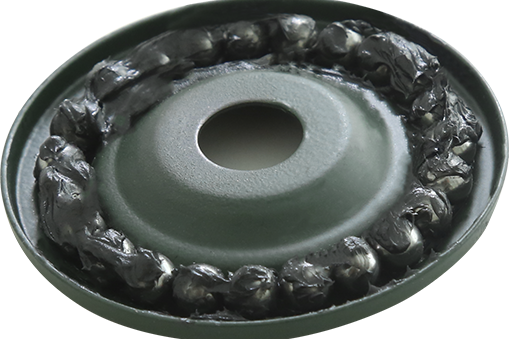
- Medium Caster Maintenance — Maintenance tips for medium duty casters.
- Easy Maintenance Tips — Simple caster maintenance techniques.
- Proper Use & Longevity — How to use casters to extend service life.
- Inflatable Rubber Care — Daily care for inflatable rubber casters.
- Casters Buying Guide — Find the right wheel for your needs.
Explore our complete range of heavy-duty casters (150-610kg) and super heavy-duty casters (700-1600kg), or contact our engineering team for expert guidance.
Related Reading
Explore more caster maintenance and selection guides:
- Heavy-Duty Casters Selection Guide — Learn how to select casters that require minimal maintenance.
- Extra Heavy Duty Casters: Full Analysis — In-depth look at heavy-duty caster maintenance requirements.
- Caster Load Capacity Calculation — Learn how proper load calculation extends caster lifespan.
- Industrial Caster Load Grading Guide — Understand load classifications and maintenance intervals.
- Mainstream Application Scenarios of Industrial Casters — Overview of application-specific maintenance requirements.
Explore our complete range of low-maintenance heavy-duty casters (150-610kg) and medium-duty casters (100-190kg), or contact our engineering team for expert caster maintenance guidance.
Post time: Dec-06-2023