
Iron core polyurethane casters represent one of the most robust wheel constructions for heavy-duty industrial applications. Combining a cast iron or steel core with a thick polyurethane tread, these casters deliver exceptional load capacity, durability, and floor protection in a single package. This guide examines the advantages and disadvantages of iron core polyurethane casters, helping you determine whether this high-performance wheel type is the right solution for your material handling needs.
What Are Iron Core Polyurethane Casters?
Construction and Design
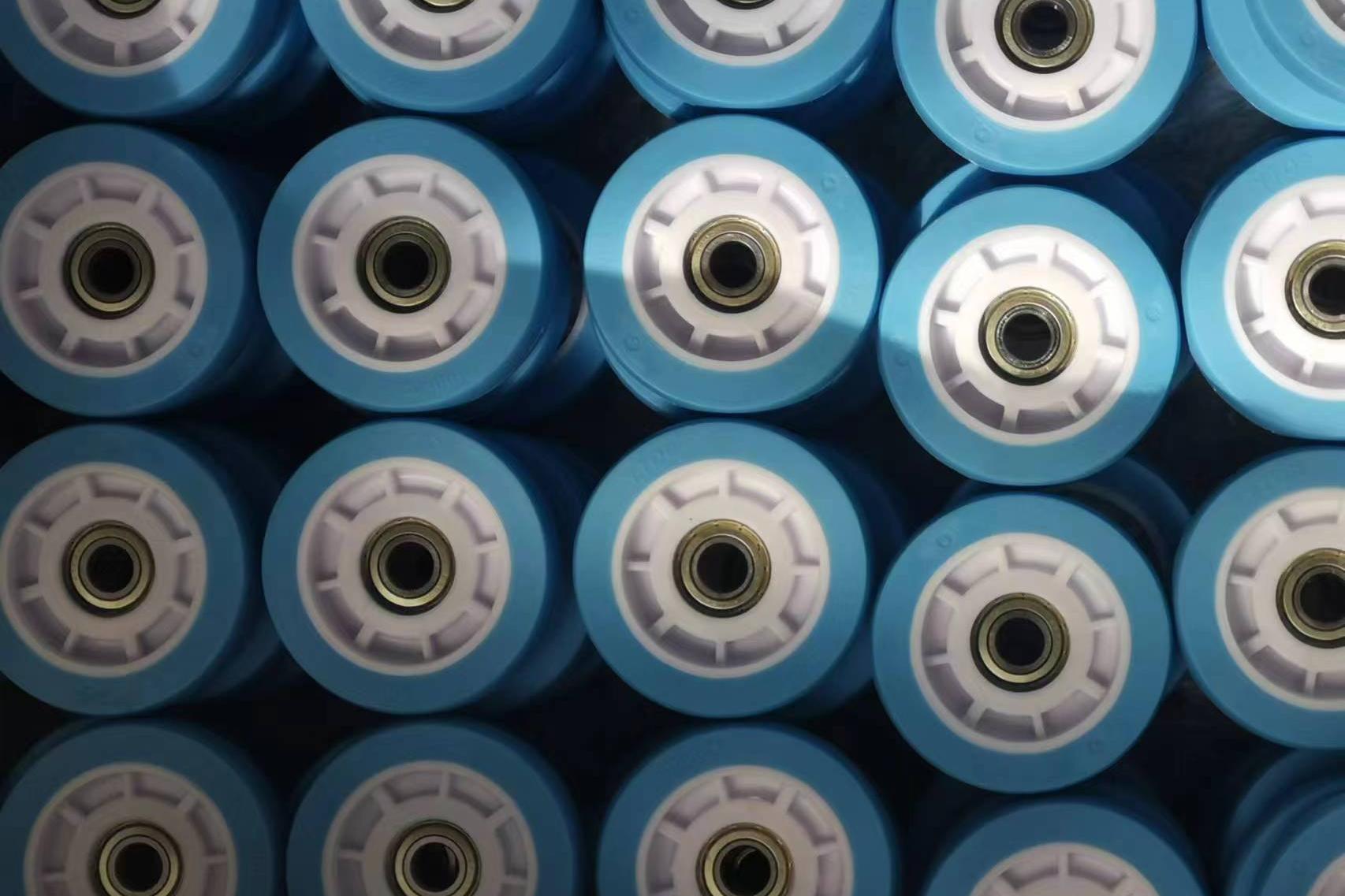
Iron core polyurethane casters feature a rigid inner hub typically made from cast iron (ductile iron or gray iron) or pressed steel, over-molded with a thick layer of polyurethane elastomer. The polyurethane tread is chemically bonded to the metal core during manufacturing, creating a permanent, non-peeling interface. Wheel diameters typically range from 4 inches to 12 inches, with load capacities from 300kg to over 1600kg per wheel.
Manufacturing Process
The iron core is precision-cast or fabricated to exact tolerances. The polyurethane is poured or injection-molded directly onto the prepared metal core, ensuring excellent adhesion. The tread thickness is carefully controlled to balance cushioning, wear life, and load distribution. Quality casters undergo dynamic balancing and load testing before shipment.
Advantages of Iron Core Polyurethane Casters
Exceptional Load Capacity
The iron core provides structural rigidity that plastic or rubber wheels cannot match. Iron core PU casters support loads from 300kg to over 1600kg per wheel, making them ideal for the heaviest industrial applications including machinery, freight containers, and heavy tooling. The metal core prevents deformation under sustained static loads.
Superior Wear Resistance
Polyurethane tread offers 3-5 times the abrasion resistance of rubber, ensuring long service life even in high-cycle environments. The iron core prevents tread delamination, ensuring the PU layer remains securely bonded throughout the wheel life.
Floor Protection and Non-Marking
The polyurethane tread provides excellent floor protection, leaving no black marks or scuffs on epoxy, concrete, or polished surfaces. This makes iron core PU casters suitable for cleanroom environments and facilities with finished flooring requirements.
Chemical and Oil Resistance
Polyurethane resists oils, greases, and many industrial chemicals better than rubber. The iron core is typically coated or painted to resist corrosion. These casters perform well in manufacturing environments with coolant, hydraulic fluid, and cleaning agents.
Disadvantages of Iron Core Polyurethane Casters
Higher Cost
Iron core PU casters are among the most expensive caster options due to the cast iron core and precision manufacturing. For light-duty applications, simpler plastic or rubber wheels offer better value. The investment is justified only when heavy loads or long service life are required.
Weight and Handling
The iron core makes these wheels significantly heavier than all-plastic or all-rubber alternatives. This increases shipping costs and makes installation more difficult. The added weight may also affect the overall payload capacity of carts and equipment.
Noise on Rough Surfaces
While polyurethane is quieter than metal, the rigid iron core transmits more vibration and noise over cracks, expansion joints, and debris compared to solid rubber wheels. For noise-sensitive environments, fully elastomer wheels may be preferred despite lower load capacity.
Application Recommendations
Best Applications
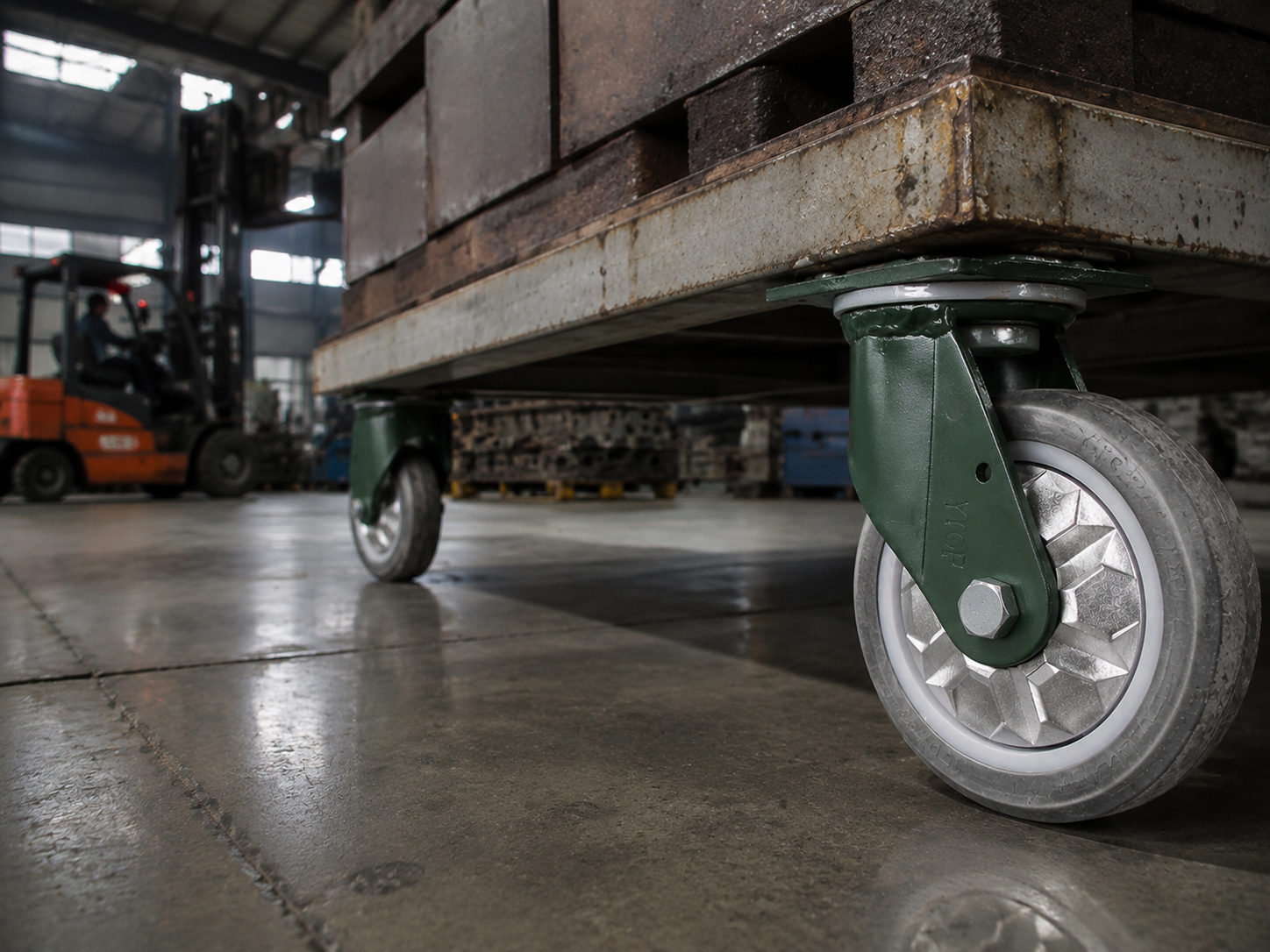
Iron core PU casters excel in: heavy industrial carts, AGV (automated guided vehicle) systems, machine tool bases, freight containers, aerospace ground support equipment, and any application requiring loads over 500kg per wheel.
Less Suitable Applications
These casters are overkill for: office furniture, light carts under 100kg, applications requiring maximum floor cushioning, or budgets where cost is the primary concern.

Construction and Materials Detail
Ductile Iron vs Cast Steel Cores
Iron core polyurethane wheels use either ductile iron (GGG40/GGG50) or pressed steel cores. Ductile iron offers excellent castability, high strength, and good damping properties. It can be cast into complex shapes with integrated hubs and bearing mounting features. Pressed steel cores are lighter and more cost-effective for high-volume production but offer less design flexibility. The choice depends on load requirements and production volume.
Polyurethane Tread Thickness
The PU tread thickness directly impacts performance. Standard treads are 12-20mm thick. Thicker treads (20-30mm) provide better floor protection and noise reduction but slightly reduce load capacity. Thinner treads (8-12mm) maximize load capacity but offer less cushioning. The tread is typically bonded to the core using a chemical primer that ensures permanent adhesion.
Bearing Options
Iron core PU wheels typically come with precision ball bearings, tapered roller bearings, or straight roller bearings. The bearing type should match the load and speed requirements. For wheels carrying over 800kg, tapered roller bearings are strongly recommended.
Performance Testing and Validation
Load Rating Verification
Iron core PU wheels are load-rated based on static and dynamic testing. The dynamic load rating (for rolling) is typically 50-60% of the static load rating. Always ensure the selected wheel size matches the actual load per wheel, accounting for impact loads and uneven floor conditions.
Speed Rating Considerations
These wheels are typically rated for speeds up to 4 km/h for continuous use. Intermittent use may allow higher speeds. Exceeding the speed rating causes excessive heat buildup in the PU tread, leading to premature failure.
Application Case Studies
AGV and Automated Guided Vehicle Systems
Iron core PU wheels are the standard choice for AGV systems. Their consistent rolling resistance, high load capacity, and non-marking tread make them ideal for automated transport. The iron core provides the dimensional precision required for AGV navigation systems.
Heavy Machinery and Equipment Skates
When moving heavy machinery (machine tools, printing presses, industrial robots), iron core PU casters distribute the massive load across the iron core while the PU tread protects factory floors. These casters often support 1000kg+ per wheel.
Cost Analysis and ROI
Price Range and Value Proposition
Iron core PU casters are premium products, typically priced 2-3 times higher than equivalent nylon or plastic wheel casters. However, their service life of 5-8 years under heavy use delivers exceptional long-term value. When calculating total cost per year of service, iron core PU wheels often outperform cheaper alternatives.
Maintenance Cost Considerations
These casters require minimal maintenance beyond periodic bearing lubrication. The PU tread does not flat-spot, and the iron core resists deformation. This low maintenance requirement further enhances the total cost of ownership advantage over cheaper wheel types.
Installation and Sizing Guide
Selecting the Right Wheel Diameter
Larger wheel diameters roll easier over obstacles and expansion joints. For loads over 1000kg per wheel, select wheel diameters of 8 inches or larger. Smaller wheels (4-6 inches) are available for lighter loads and limited clearance applications. Always verify the total load per wheel: divide the total equipment weight by the number of casters, and add a 20-30% safety margin.
Fork and Bracket Selection
The caster fork must be rated for the combined load and impact forces. For iron core PU wheels, use heavy-duty forged steel forks with kingpinless swivel construction. The mounting plate size and bolt pattern must match the equipment mounting hole pattern.
Conclusion
Industrial iron core polyurethane casters represent the pinnacle of caster wheel engineering for heavy-duty applications. Their combination of iron core structural strength and polyurethane tread performance delivers unmatched load capacity, wear resistance, and floor protection. While the initial investment is significant, the long service life and minimal maintenance make these casters the most cost-effective choice for demanding industrial environments.
Environmental Considerations
While the iron core is recyclable, the polyurethane tread is more difficult to recycle. Some manufacturers offer take-back programs for end-of-life wheels. For environmentally conscious organizations, inquire about material recovery options when specifying these casters. The extremely long service life of iron core PU wheels also reduces the total number of wheels that need to be manufactured and disposed of over time.
For critical heavy-duty applications, investing in quality iron core polyurethane casters is a decision that pays dividends for years. Consult with engineering specialists to confirm the optimal wheel size, tread hardness, and bearing configuration for your specific load and speed requirements.
This ensures maximum performance and longevity.
Do it right.
Excellent.
Frequently Asked Questions
How long do iron core polyurethane casters last?
With proper load distribution and maintenance, these casters typically last 5-8 years under medium-duty use. Heavy industrial use may shorten life to 3-5 years.
Can the polyurethane tread be replaced?
Some manufacturers offer re-treading services, but it is often more cost-effective to replace the entire wheel. The chemical bond between PU and iron makes field replacement impractical.
What temperatures can iron core PU casters handle?
Standard polyurethane tread operates from -30C to +80C. High-temperature PU formulations extend the range to +110C for specific applications.
Related Reading
- 📚 Rubber Casters vs Polyurethane Casters — Compare material options for heavy-duty caster wheels.
- 📚 Caster Wear Resistance Material Analysis — Compare wear properties of different caster materials.
- 📚 Common Caster Materials Guide — Comprehensive material comparison for caster selection.
- 📚 How to Choose Casters: Selection Guide — Expert caster selection for heavy applications.
- 📚 Caster Selection Strategy — Material and brand considerations for caster buyers.
Explore our super heavy-duty casters (700-1600kg) with iron core polyurethane wheels and heavy-duty casters (150-610kg) for demanding industrial applications, or contact our engineering team for custom caster solutions.
Post time: Aug-12-2024